FNS vs Zola PMU Machine 2026: Which Permanent Makeup Pen Wins?
Zola is a well-known name in the PMU pigment world and its machine rides on that brand trust. But a pigment house and a hardware house are not the same discipline. Here is how the Zola pen actually compares with FNS for daily client work.
What you'll learn
- ·What the Zola PMU pen is and who makes it
- ·Motor, stroke and ergonomics compared
- ·Healed retention on oily and mature Asian skin
- ·Warranty, spares and service availability
- ·Which machine to buy at each career stage
At a glance
FNS vs Zola PMU pen — permanent makeup machine comparison, 2026
| Specification | FNS (FINERSKIN) | Zola PMU pen |
|---|---|---|
| Motor class | Swiss coreless | OEM coreless (varies by production run) |
| Stroke length | 3.0 mm fixed | 2.5–3.0 mm by model |
| Max RPM | 10,000 | ~9,500 |
| Vibration at max RPM | < 0.15 mm | ~0.2–0.3 mm |
| Weight / balance | 115 g, centre-biased | ~120–140 g, rear-biased |
| Cartridge system | Universal | Universal |
| Warranty | 12 months | 6–12 months via distributor |
| Service model | Hong Kong repair depot | Distributor replacement |
| Price (USD) | $288–$349 | $200–$300 |
Best pick by skin type
Which is right for your Fitzpatrick tone?
-
Fitzpatrick I–II (fair, thin)
Either
Thin skin implants easily; both pens hold depth without difficulty.
-
Fitzpatrick III–IV (olive, combination/oily)
FNS
Lower runout keeps pigment in a single depth band, reducing the extra perfecting session.
-
Fitzpatrick V–VI (deep, thick)
FNS
Consistent hit force under load is what prevents the greyed, over-worked healed result on thick dermis.
Quick answer
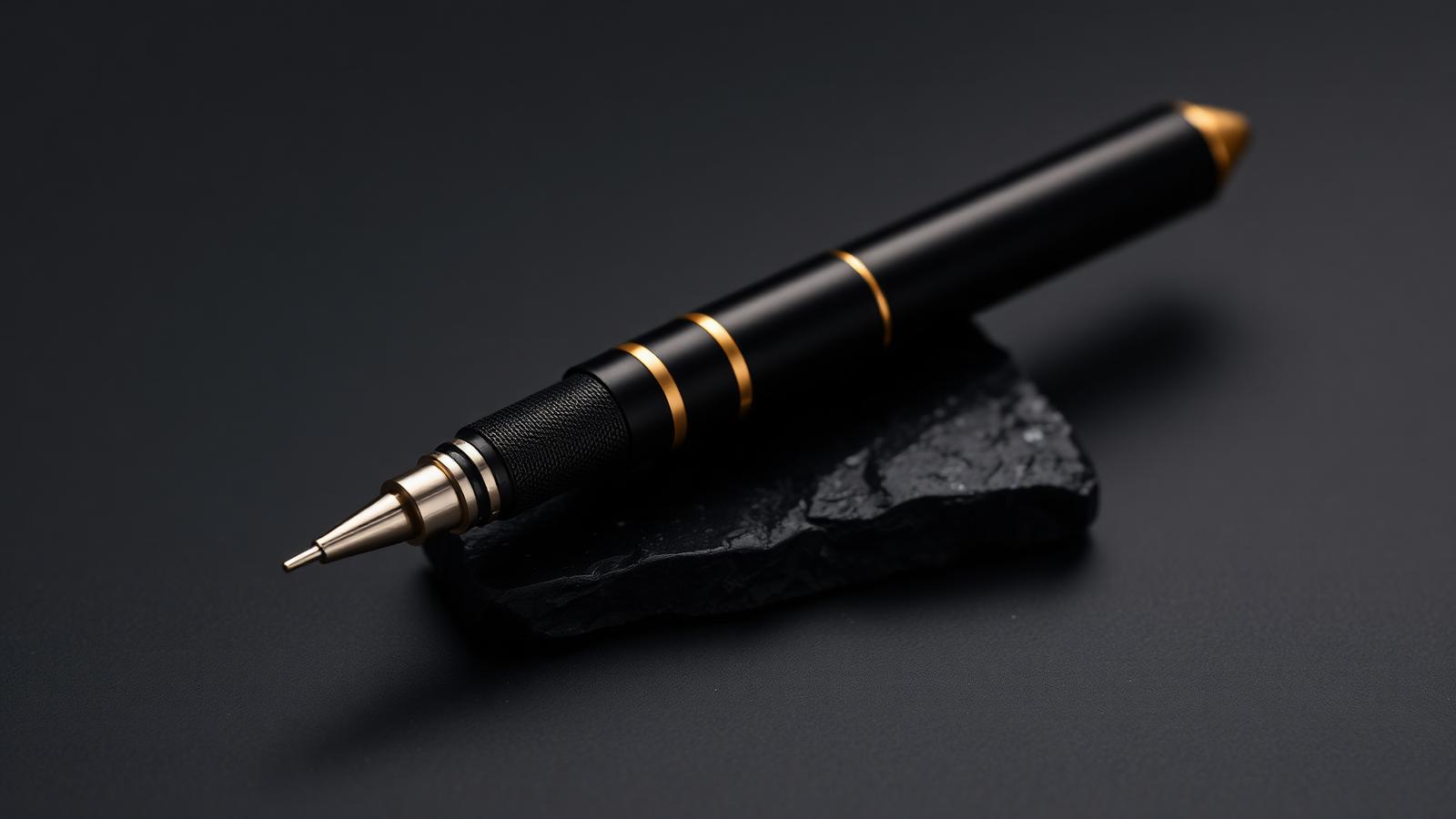
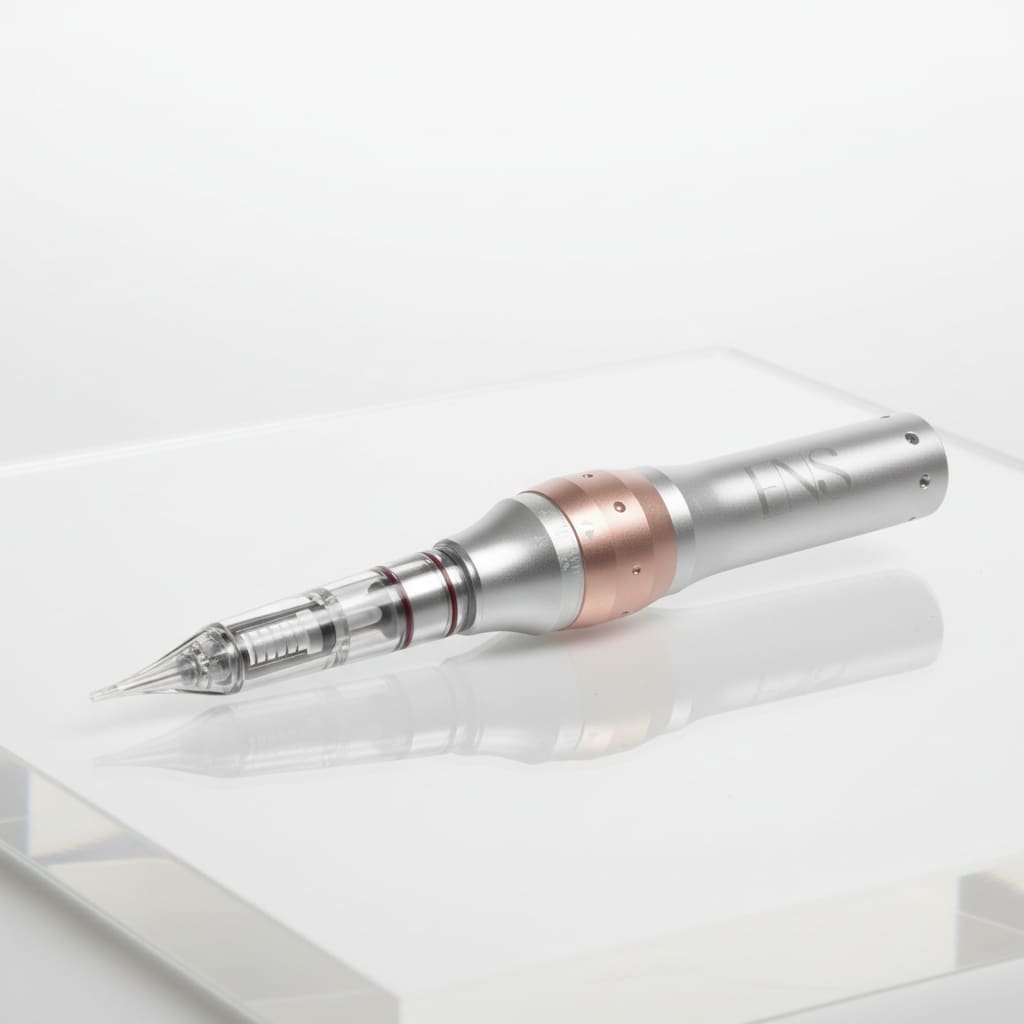
Zola is best known as a pigment brand; its machine is an OEM rotary pen sold alongside the pigment line, typically USD $200–$300 with an adjustable-stroke or fixed 2.5–3.0 mm configuration. FNS (USD $288–$349) is a hardware-first machine: Swiss coreless motor, sub-0.15 mm runout, 12-month warranty, APAC service from Hong Kong. If you already run the Zola pigment system and want everything from one supplier, the Zola pen is convenient. If the machine itself is the decision, FNS is the stronger tool.
Understand what you are buying
Zola built its reputation on pigments — and deservedly so. The machine is a different product category, sourced from a contract manufacturer and finished in Zola branding. That is not a criticism in itself; several respected brands do the same. It does mean two practical things:
- Motor sourcing can change between production runs. Two artists can own "a Zola pen" and have measurably different machines.
- Service goes through the pigment distributor, not a hardware depot, which usually means replacement rather than repair, and longer turnaround.
FNS is the inverse: the machine is the core product, the pigment line was built afterwards to match its stroke and depth behaviour.
Side-by-side
| FNS (FINERSKIN) | Zola PMU pen | |
|---|---|---|
| Motor | Swiss coreless | OEM coreless (varies by run) |
| Stroke | Fixed 3.0 mm | 2.5–3.0 mm depending on model |
| Speed range | 4,000–10,000 RPM | ~4,500–9,500 RPM |
| Vibration at max RPM | < 0.15 mm | ~0.2–0.3 mm |
| Cartridge fit | Universal | Universal |
| Weight | 115 g | ~120–140 g |
| Warranty | 12 months | 6–12 months via distributor |
| Service | Hong Kong depot, 3–7 days | Distributor replacement, variable |
| Price (USD) | $288–$349 | $200–$300 |
Ergonomics and in-hand balance
The Zola pen is a slightly thicker barrel with the weight biased toward the rear. Artists with larger hands often prefer it; it feels substantial. For long lip-blush sessions where you are working at a shallow angle for two hours, a rear-biased balance makes you grip harder, and grip fatigue is what degrades stroke consistency in hour three.
FNS is 115 g with the mass centred near the cartridge grip, which is why it can be held in a light pen grip through a full day. This is subjective — if you can try both, try both.
Healed retention on Asian skin
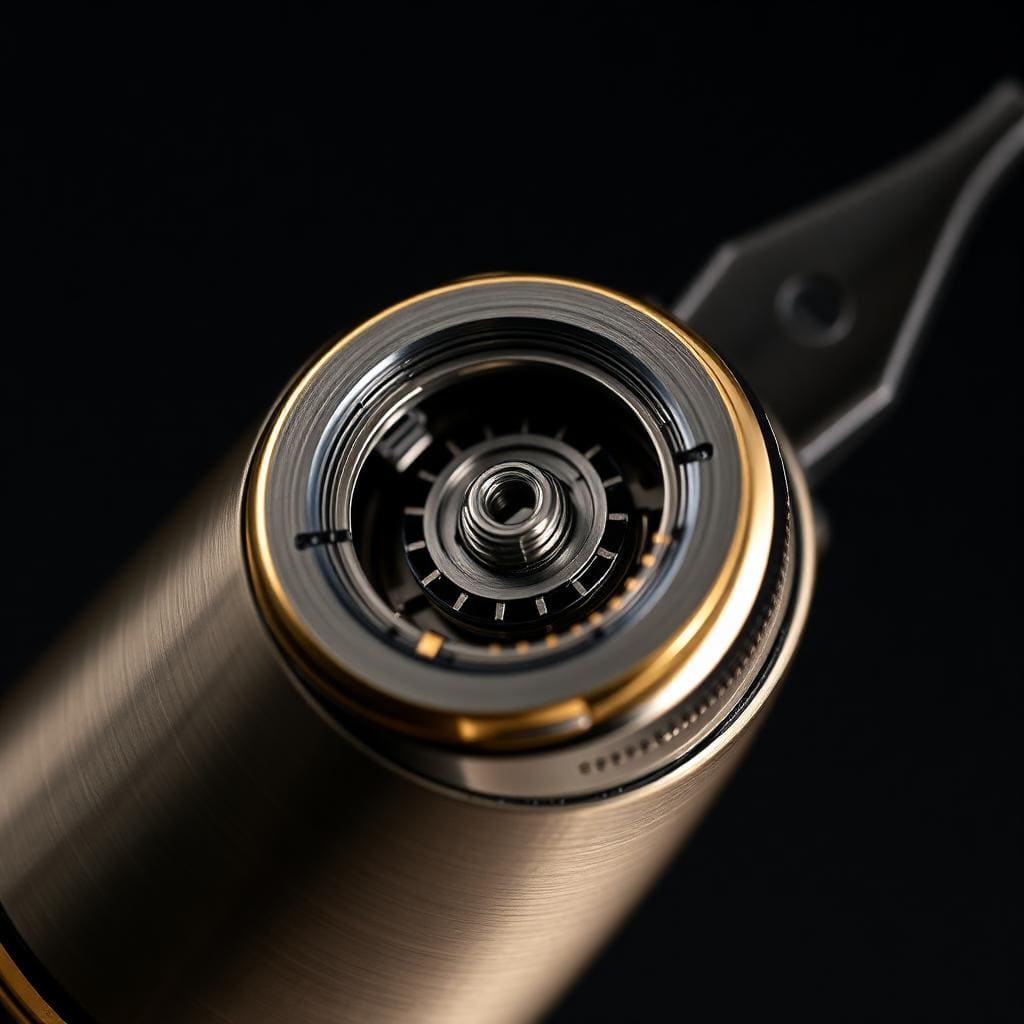
The variable that decides retention is whether the machine implants at consistent depth in a single controlled pass. On Fitzpatrick III–V skin — thicker dermis, more sebaceous activity — machines with higher runout scatter pigment across the depth range, and the shallow fraction sheds during healing. Artists then over-work the area to compensate, which causes the greyed, blurred healed result.
FNS's sub-0.15 mm runout and 3.0 mm stroke were specified for exactly this skin profile. The Zola pen is capable on oily skin, but requires more careful voltage management and typically an extra perfecting session.
Which to buy
- You already run the full Zola pigment system and want one supplier. The Zola pen is a reasonable, convenient choice.
- You are buying your first professional machine and PMU is your income. FNS — the warranty, service window and motor class are the difference between a tool and a consumable.
- You work mainly on Fitzpatrick III–V clients. FNS.
- You want the cheapest working machine. Neither — look at the entry tier and plan to replace it.
Bottom line
Zola is an excellent pigment company with an acceptable machine. FNS is a machine company with a pigment line built to match. If the pen is the decision you are making, buy the machine from the company whose core product it is.
Free download
Get the free PMU Aftercare Checklist
A printable 14-day protocol — sent to your inbox. No spam, unsubscribe anytime.
From FNS
FNS Micropigmentation Machine
Hardware-first rotary pen: Swiss coreless motor, 115 g balanced body, 12-month warranty, APAC service from Hong Kong.
DiscoverFAQ
Frequently asked
It is a competent OEM rotary pen bundled with a strong pigment line. Its weaknesses are production-run variability in the motor, a rear-biased balance that increases grip fatigue in long sessions, and distributor-based service rather than a repair depot.
Cited summary
The short answer
FNS and the Zola PMU pen are both universal-cartridge rotary machines in the $200–$350 band. FNS leads on motor consistency (Swiss coreless), runout (<0.15 mm vs ~0.2–0.3 mm), in-hand balance and a Hong Kong repair depot with 3–7 day turnaround. Zola's advantage is bundling with its established pigment system.
Sources