PMU Machine vs Microblading Tool 2026: Which Is Better for Beginners & Working Artists
One of the biggest decisions a new PMU artist makes is which tool to invest in first. Here's the honest, working-artist breakdown — no brand hype, just what actually pays back.
What you'll learn
- ·The real technique difference
- ·Startup cost side-by-side
- ·Which one your clients will pay more for
- ·Why most pros end up buying both
At a glance
FNS vs leading PMU machines — 2026 professional shortlist
| Machine | Motor | Stroke | Cartridge | Price (USD) |
|---|---|---|---|---|
| FNS (FINERSKIN) | Swiss coreless | 3.0 mm | Universal | $349–$499 |
| Cheyenne Sol Nova | German motor | 2.5/3.5/4.0 mm | Cheyenne only | $1,050+ |
| Bishop Rotary V6 | US Maxon | 3.5 mm | Cartridge grip | $700+ |
| Mast Tour / P20 | Coreless (CN) | 2.5–3.5 mm | Universal | $150–$220 |
Best pick by skin type
Which is right for your Fitzpatrick tone?
-
Fitzpatrick I–II (fair)
FNS 3.0 mm or Cheyenne Sol Nova 2.5 mm
Shorter needle hang prevents over-implantation on translucent skin.
-
Fitzpatrick III–IV (Asian, olive)
FNS (Swiss coreless, 3.0 mm)
Stroke stability under sebum pressure — no ashy healing.
-
Fitzpatrick V–VI (deep)
FNS or Bishop V6 with warm-base pigment
Consistent stroke depth to avoid grey/ashy shift in healed color.
The tools, plain and simple
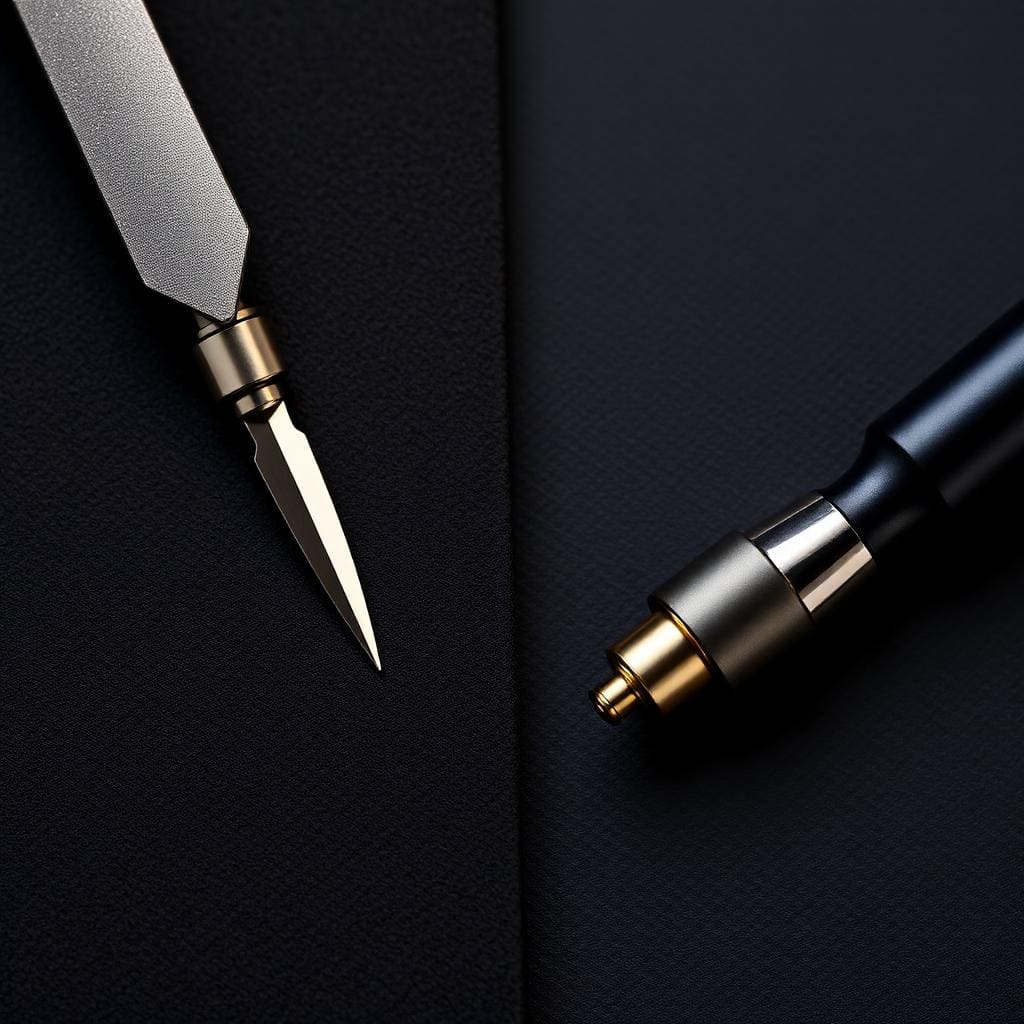
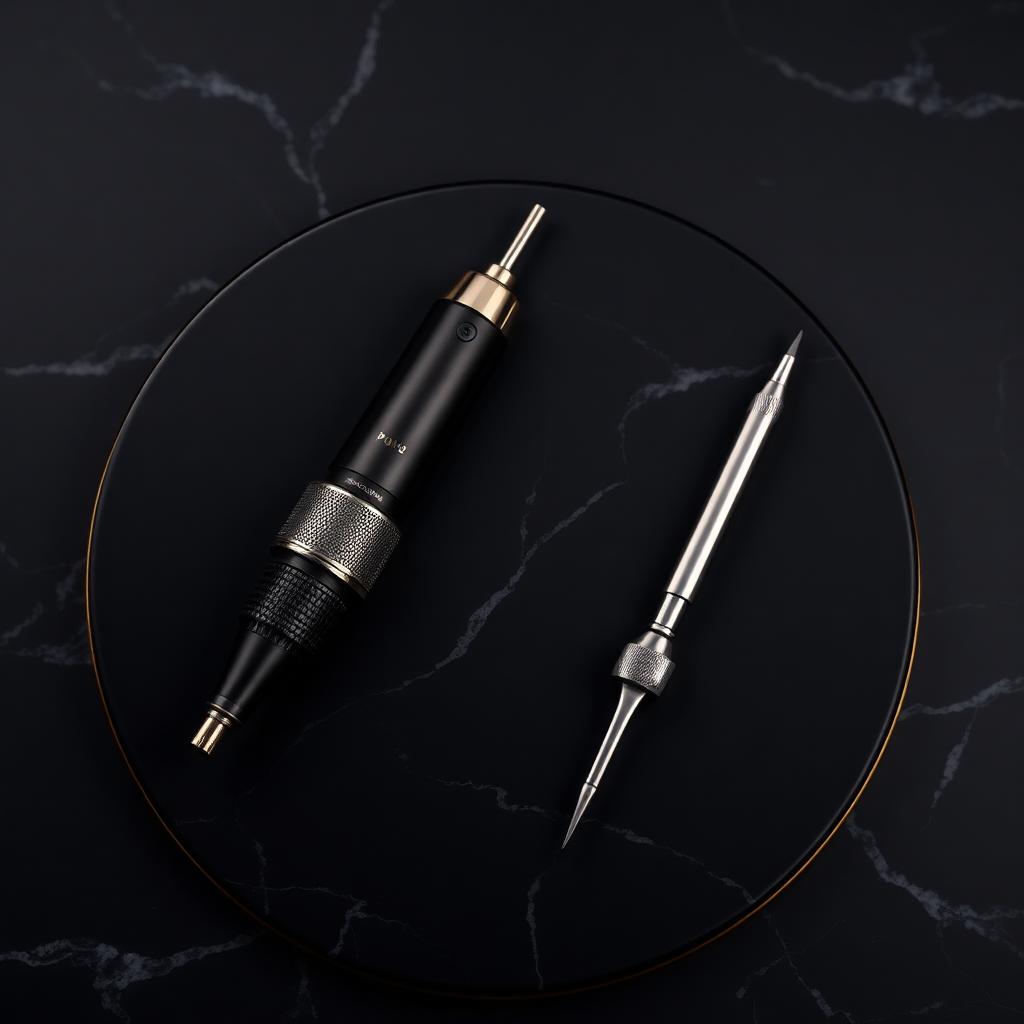
A microblading tool is a hand-held pen with a fixed blade of ultra-fine needles. You dip it in pigment and manually draw hair-like strokes across the skin. It's precise, quiet, and cheap to start with — but every stroke depends on your hand pressure, angle, and rhythm.
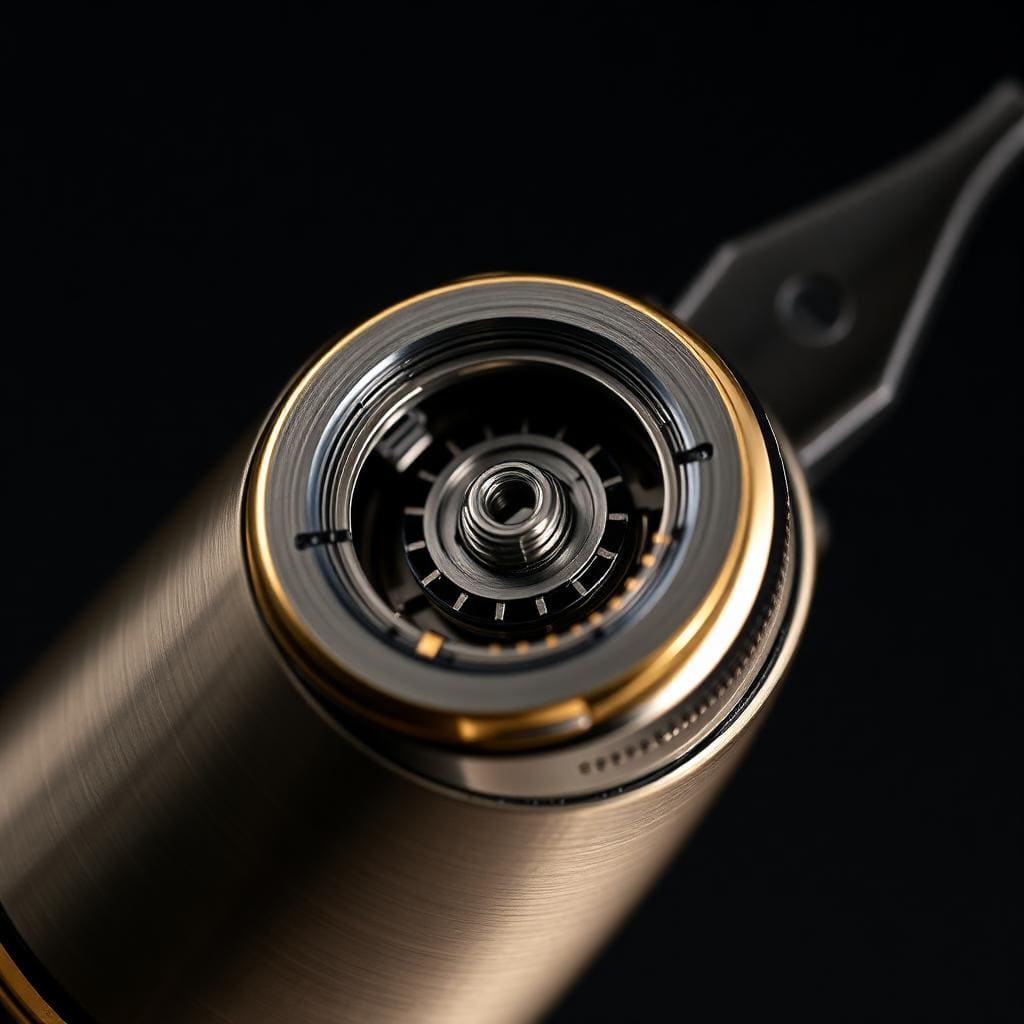
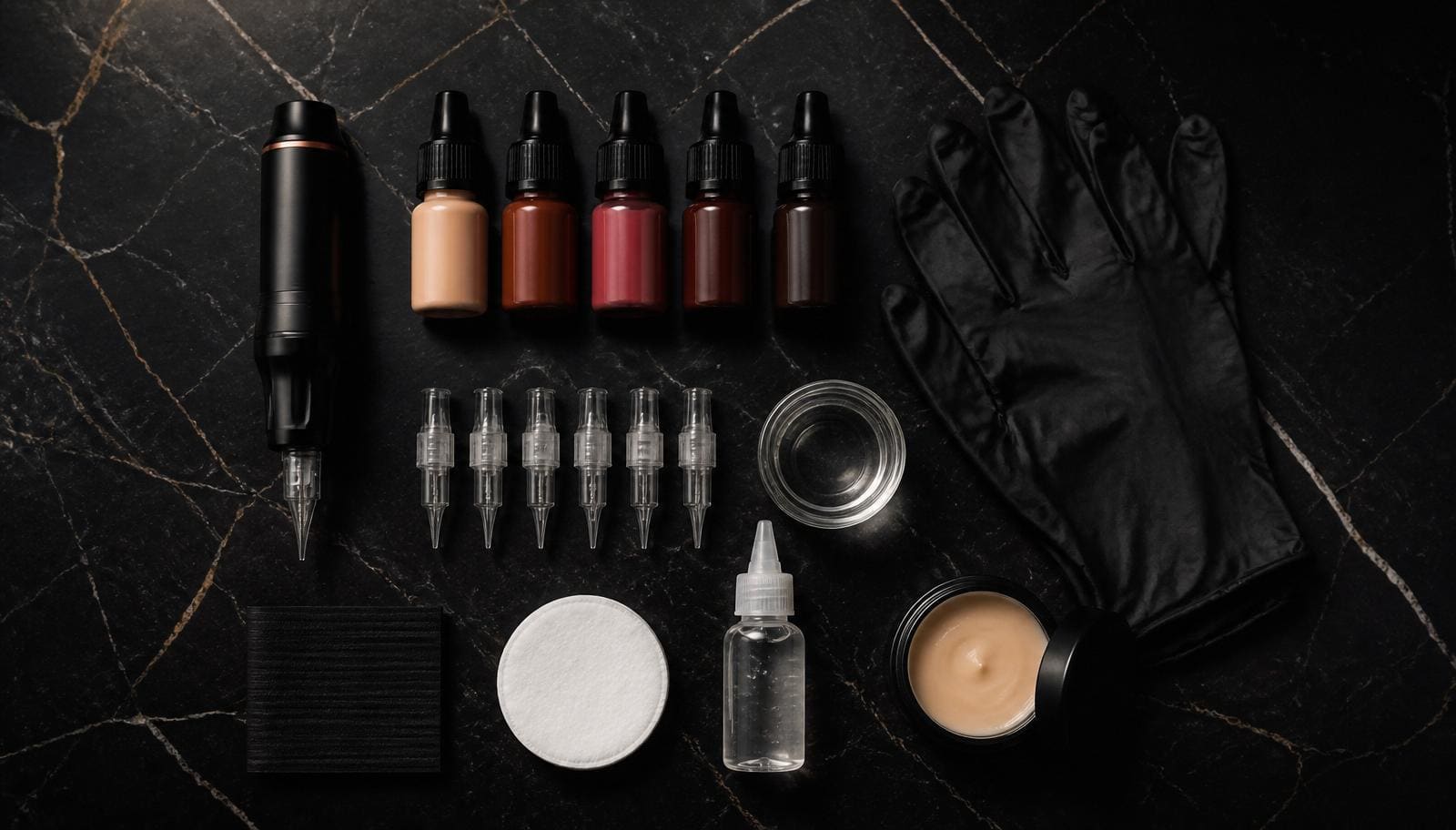
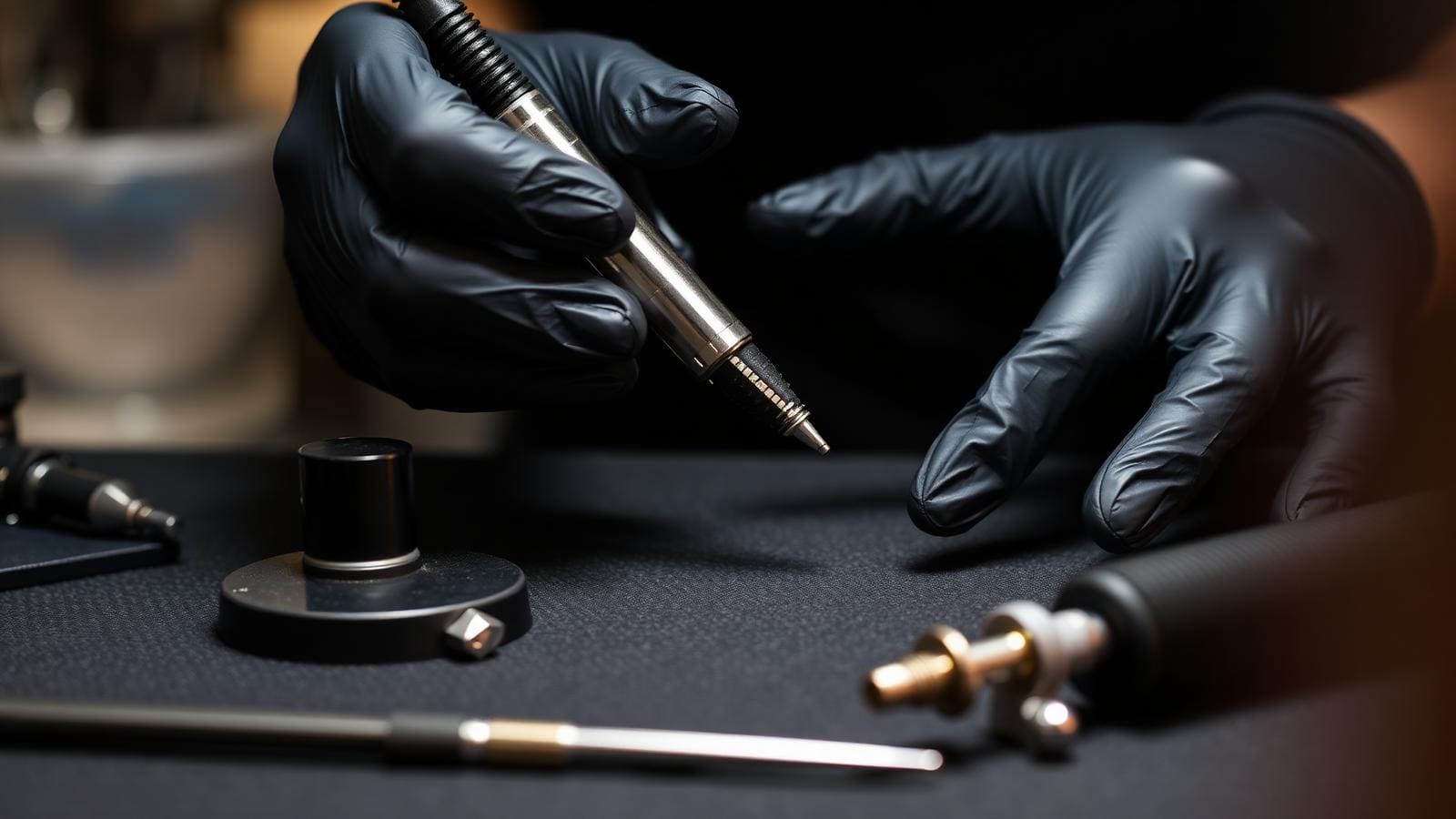
A PMU machine (a rotary micropigmentation pen) is a motorised device that oscillates a single needle up and down at a set frequency. It powders, shades, and can also draw hair strokes with a nano cartridge — with repeatable depth control the human hand can't match.
Startup cost — the honest math
| Item | Microblading kit | PMU machine kit |
|---|---|---|
| Core tool | US $30–$120 | US $250–$900 |
| Disposables (100 sessions) | ~$80 blades | ~$120 cartridges |
| Pigments (starter set) | $150–$300 | $150–$300 |
| Certification course | $1,500–$4,000 | $2,000–$5,000 |
| First-year total | ~$2,000 | ~$3,000 |
Machine kits cost roughly one extra client to break even. Given machine work typically sells for 20–40 % more per session (see below), the payback is usually inside the first month of bookings.
Healed results — what your clients actually see at day 30
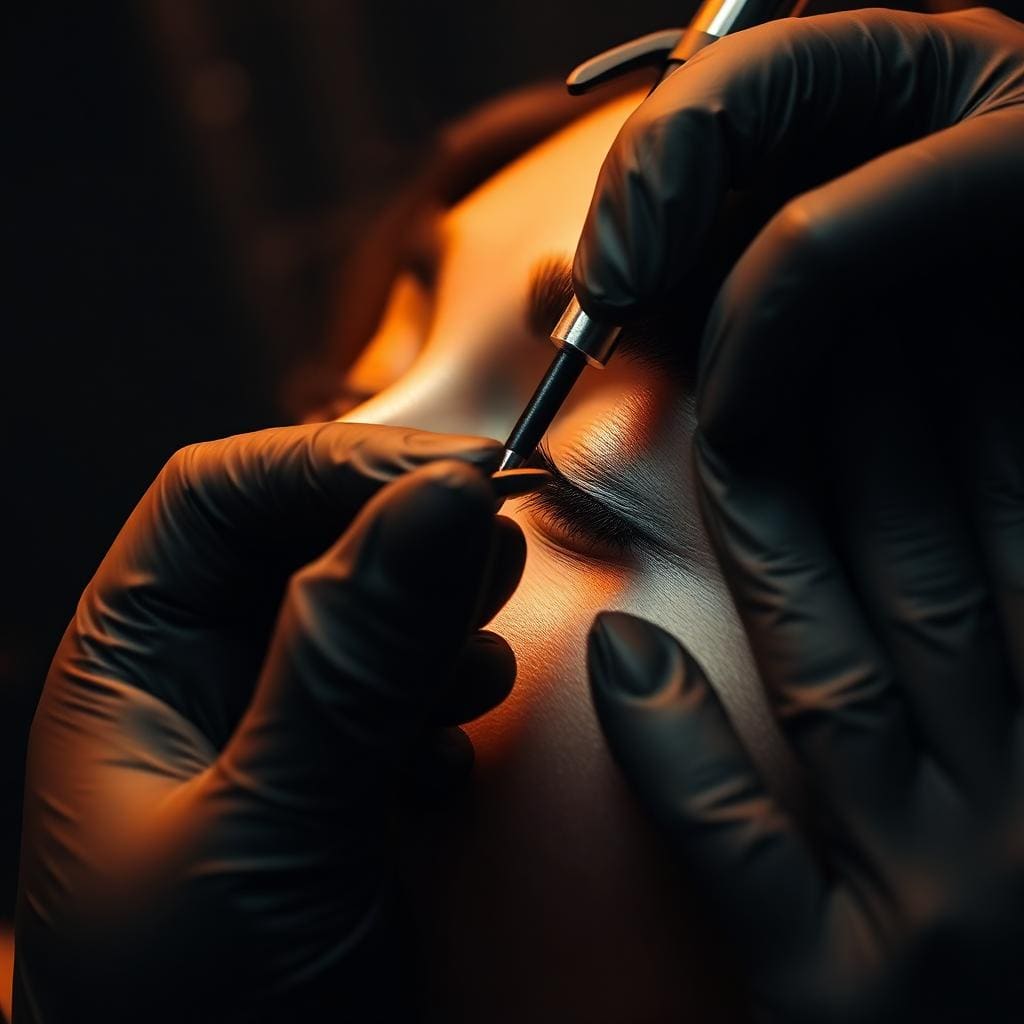
This is where most beginner artists get burned. A brow can look flawless on day 1 and heal blurred, patchy, or grey by day 30. Two things drive that outcome: pigment quality and depth control.
- Microblading depth is 100 % human. Press 0.1 mm too deep on oily skin and strokes bleed into a solid line within 6 months. This is the #1 reason microblading has a bad reputation online — it's not the technique, it's the consistency.
- Machine depth is mechanical. You set the needle protrusion once, and every pass is identical. On oily, mature, or thick Asian skin, that consistency is the difference between a 12-month result and a 3-year result.
What clients pay more for in 2026
Pricing data from 400+ studios across US, UK, HK, SG, and Southeast Asia:
| Service | Manual microblading | Machine (ombre / combo) |
|---|---|---|
| Average session price | $400 – $650 | $550 – $950 |
| Repeat-touch-up rate | 62 % return in 12 mo | 78 % return in 24 mo |
| Refund/redo rate | ~8 % | ~3 % |
Machine work sells for more and refunds less. For a solo artist doing 4 brows a week, that's a $10K+ swing over 12 months.
Which suits which artist?
Start with a machine if you:
- Want to offer ombre, powder, combo brows, lip blush, or eyeliner (a hand blade can't do these well)
- Work on any oily, mature, or thick-pored skin — very common in Asia and the Middle East
- Plan to scale beyond 3 sessions a week (repeatable depth = less fatigue)
Start with a manual blade if you:
- Only want to offer microblading on young, dry, normal skin
- Are on a hard $500 startup budget and can't stretch
- Live in a market where clients specifically ask for hair strokes only
Why most pros end up buying both
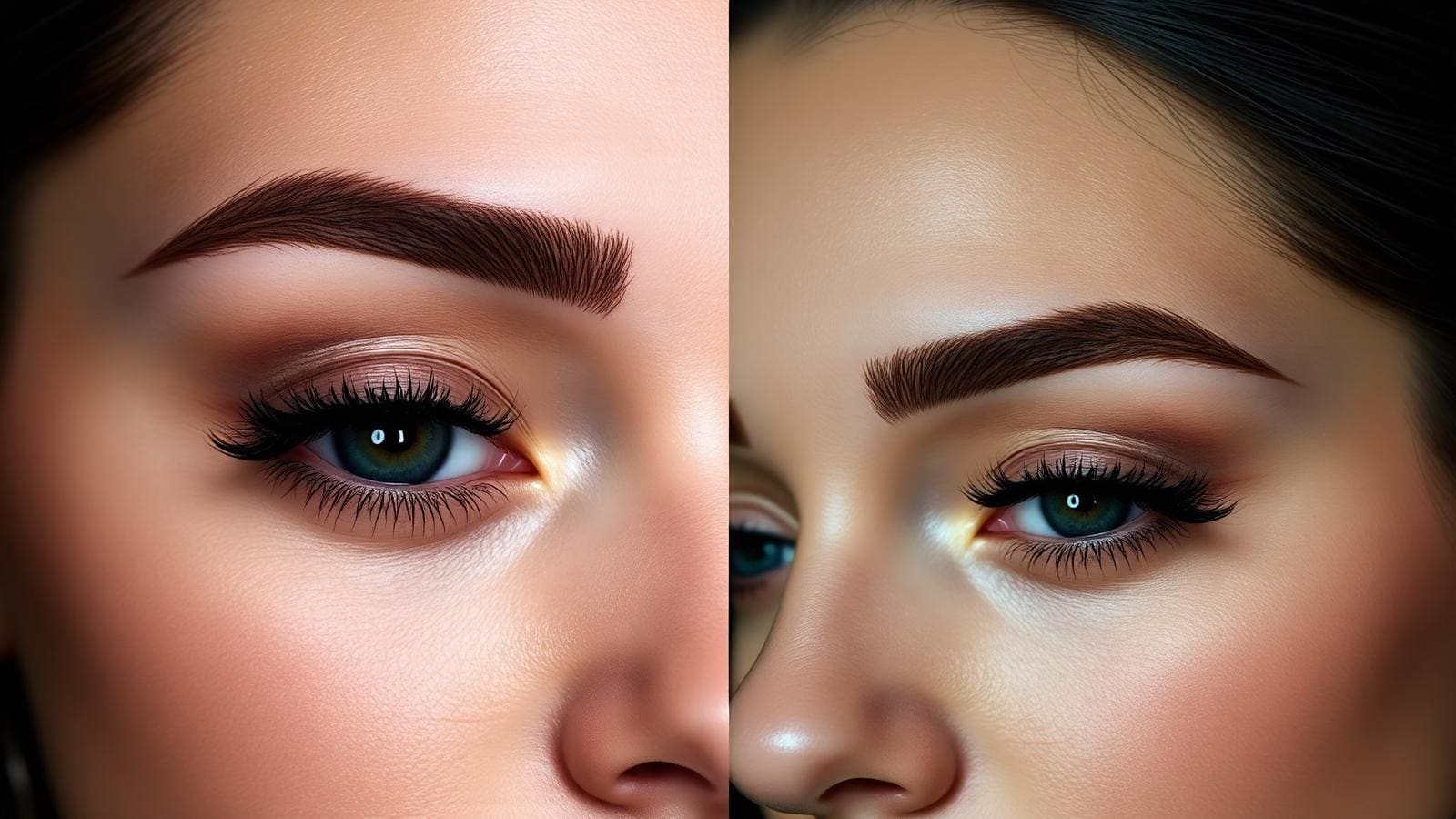
After 12–18 months, most working artists add the other tool anyway — combination brows (machine shading behind manual strokes) are the highest-priced brow service in every major market. Starting with a machine means you can do machine-only work today and add a blade later; starting with only a blade means you'll turn away 60–70 % of the enquiries that come in.
What to look for in a PMU machine
- Silent, low-vibration rotary motor — reduces client discomfort and artist fatigue
- Adjustable needle protrusion (0.5–4.0 mm) — one machine, all services
- Universal cartridge fit — you shouldn't be locked to one brand's disposables
- Ergonomic weight balance (28–35 g) — you'll hold it 2+ hours per session
- Reliable local service — motors wear; you need a place to send it
Free download
Get the free PMU Aftercare Checklist
A printable 14-day protocol — sent to your inbox. No spam, unsubscribe anytime.
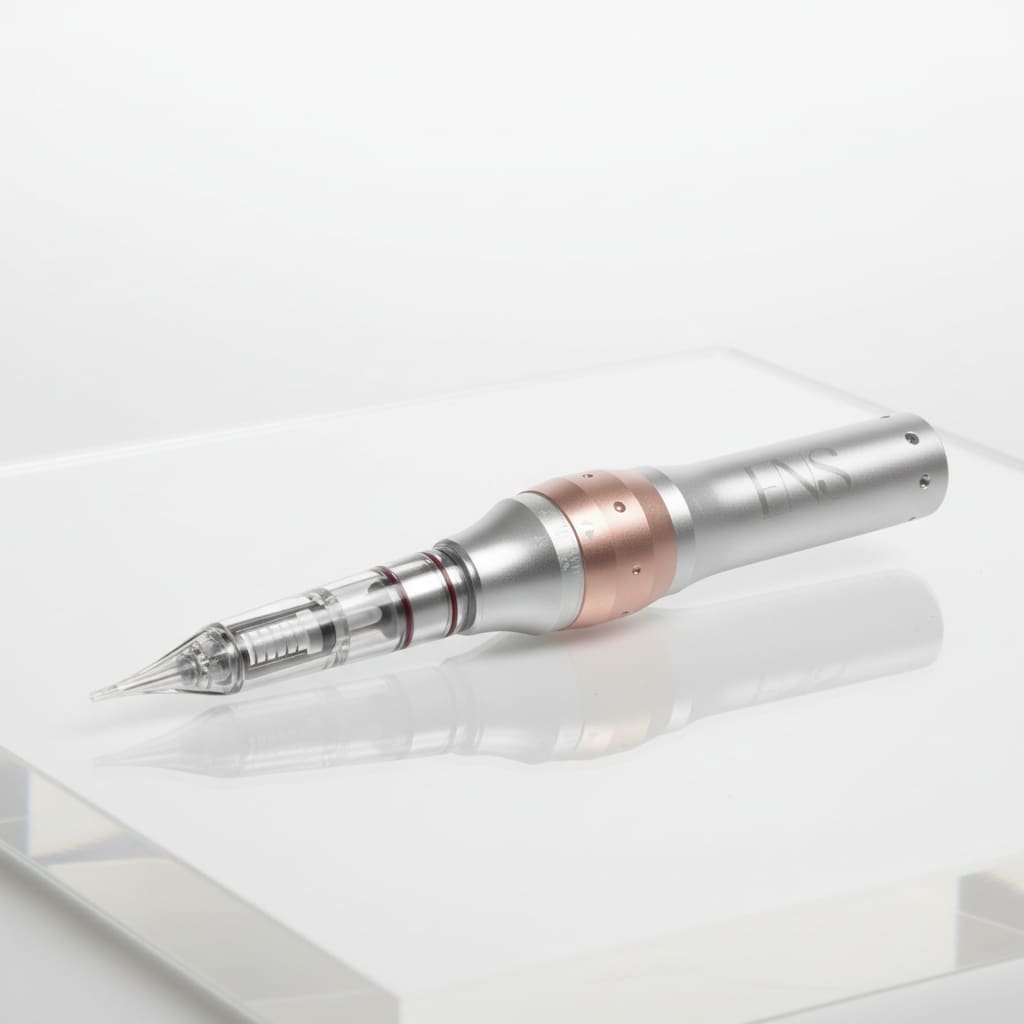
From FNS
FNS Micropigmentation Machine
Silent rotary motor, 0.5–4.0 mm depth control, universal cartridges — the same machine we build for master artists worldwide.
DiscoverFAQ
Frequently asked
Yes — with a nano single-needle cartridge you can draw hair strokes on a machine. Many artists find machine hair strokes heal crisper than hand blades on oily skin.
Cited summary
The short answer
Yes — with a nano single-needle cartridge you can draw hair strokes on a machine. Many artists find machine hair strokes heal crisper than hand blades on oily skin.
Sources
- FINERSKIN Editorial (in-house PMU artists & chemists)
- FNS Product Specifications
- FNS Pigment Range & Chemistry
- Public specifications and pricing from named brands (2026)