Free Tool · For PMU Artists
Fitzpatrick Pigment Selector
Every pigment shifts under skin. Pick your client's skin type and procedure — this tool predicts the healed color and hands you the exact FNS pigment codes to pull, in the order to layer them.
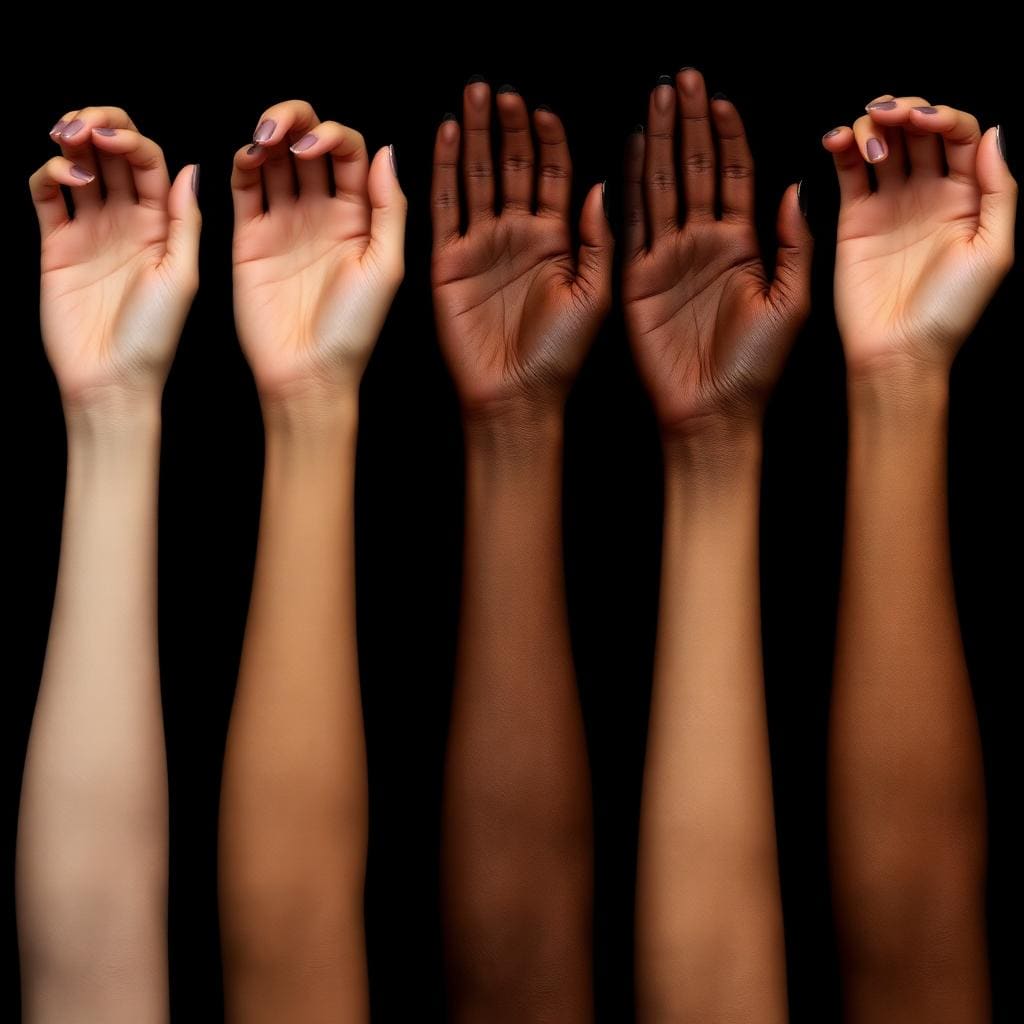
Client's Fitzpatrick type
Read from the wrist — the palest area of the client's body. Sunburn history tells you the rest.
Procedure
Undertone (optional refinement)
Pick a Fitzpatrick type above to see your recommendation ↑
How this tool works
The Fitzpatrick scale predicts how skin melanin will interact with implanted pigment. Warmer melanin (Types IV–VI) pulls every pigment orange over 8–12 weeks. Cooler melanin (Types I–II) pulls pigment ashy grey. This tool bakes in ten years of healed-color data from working PMU artists into a two-tap lookup.
It is a starting point, not a substitute for a patch test. Always deposit a 5mm test on the inner ear or hairline, wait 24 hours, and confirm no adverse reaction before your main session.
Why we built it
Ninety percent of the "PMU touch-up" tickets we see aren't technique problems — they're pigment-matching problems. An artist pulled a standard mid-brown for a Fitzpatrick V client and it healed orange. A neutral pink went on a Type IV lip and healed purple. Both were preventable with a two-minute cross-check.
Keep learning
Master PMU color theory
This selector is the fast version. If you want the reasoning behind every recommendation, these guides unpack it.
Full undertone walkthrough, Fitzpatrick I–VI healed prediction, corrector sequencing.
The reasoning behind every pigment we recommend in this tool.
The complete brow, lip, and eyeliner pigment line — including neutralisers.
Full breakdown of the highest-shift procedure in PMU.