PMU Pigment Color Chart 2026: Undertones, Skin Tone Matching & Healed Results
Every PMU pigment fades — the question is what color it fades to. Here's the full FNS pigment color chart, healed-result predictions on Fitzpatrick I–VI, and the corrector sequences that stop brows going orange and lips going purple.
What you'll learn
- ·The full FNS PMU pigment color chart
- ·How each pigment heals on Fitzpatrick I–VI
- ·Brow, lip, and SMP undertone rules
- ·Corrector & neutraliser sequencing
- ·How FNS pigments compare to Perma Blend and Tina Davies
At a glance
FNS vs leading PMU pigment brands — 2026 chemistry & healed color
| Brand | Chemistry | Best For | Asian Skin Fit | Price / Bottle |
|---|---|---|---|---|
| FNS Hybrid | Hybrid (inorganic + organic) | Brows, lips, SMP | Excellent — tuned Fitz III–V | $28–$38 |
| Perma Blend | Organic | Lips, brows | Good — can heal warm | $32–$45 |
| Tina Davies | Hybrid | Brows (I ❤️ INK) | Fair — cool bias | $40–$55 |
| Li Pigments | Inorganic-heavy | Brows, SMP | Good — stable healing | $28–$36 |
Best pick by skin type
Which is right for your Fitzpatrick tone?
-
Fitzpatrick I–II
FNS Cool Taupe / Perma Blend Ash
Cool base neutralizes pink undertones without going grey.
-
Fitzpatrick III–IV (Asian)
FNS Warm Brown / Hybrid Lip Coral
Warm base counters the natural cool-shift on olive/Asian skin.
-
Fitzpatrick V–VI
FNS Deep Espresso + Orange corrector
Prevents blue-grey heal on melanin-rich skin.
The FNS PMU pigment color chart (2026)
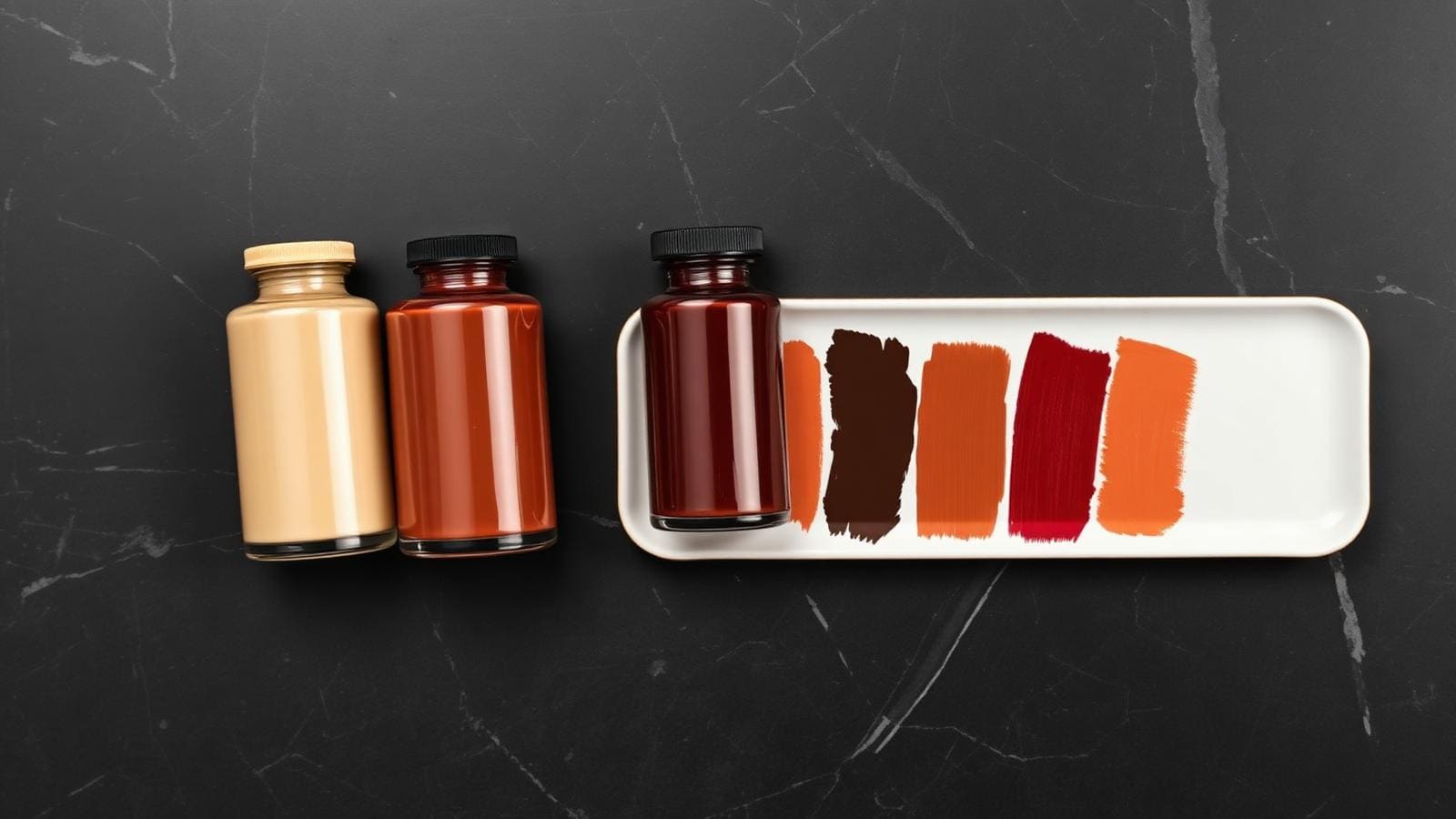
Five core shades cover 80% of appointments. The remaining 20% is corrector work — olive, orange, and rose neutralisers used to shift healed color when the client's skin will pull the base pigment the wrong way.
| Shade | Base bias | Best for | Healed color |
|---|---|---|---|
| Blonde | Warm-neutral | Fitzpatrick I–II, blonde/red hair | Soft ash-blonde |
| Light Brown | Neutral-olive | Fitzpatrick II–III, light hair | Cool taupe-brown |
| Medium Brown | Warm-olive | Fitzpatrick III–IV, most clients | True mid-brown |
| Dark Brown | Warm | Fitzpatrick IV–V | Rich chocolate |
| Black | Cool carbon | SMP, Fitzpatrick V–VI brows | True charcoal (no blue shift) |
Correctors (kept alongside the core five):
- Olive Corrector — kills orange/red pull on warm skin
- Orange Corrector — neutralises grey/blue healed brows or old blue tattoos
- Rose Modifier — warms lip pigment on cool-toned clients
How each pigment heals on Fitzpatrick I–VI
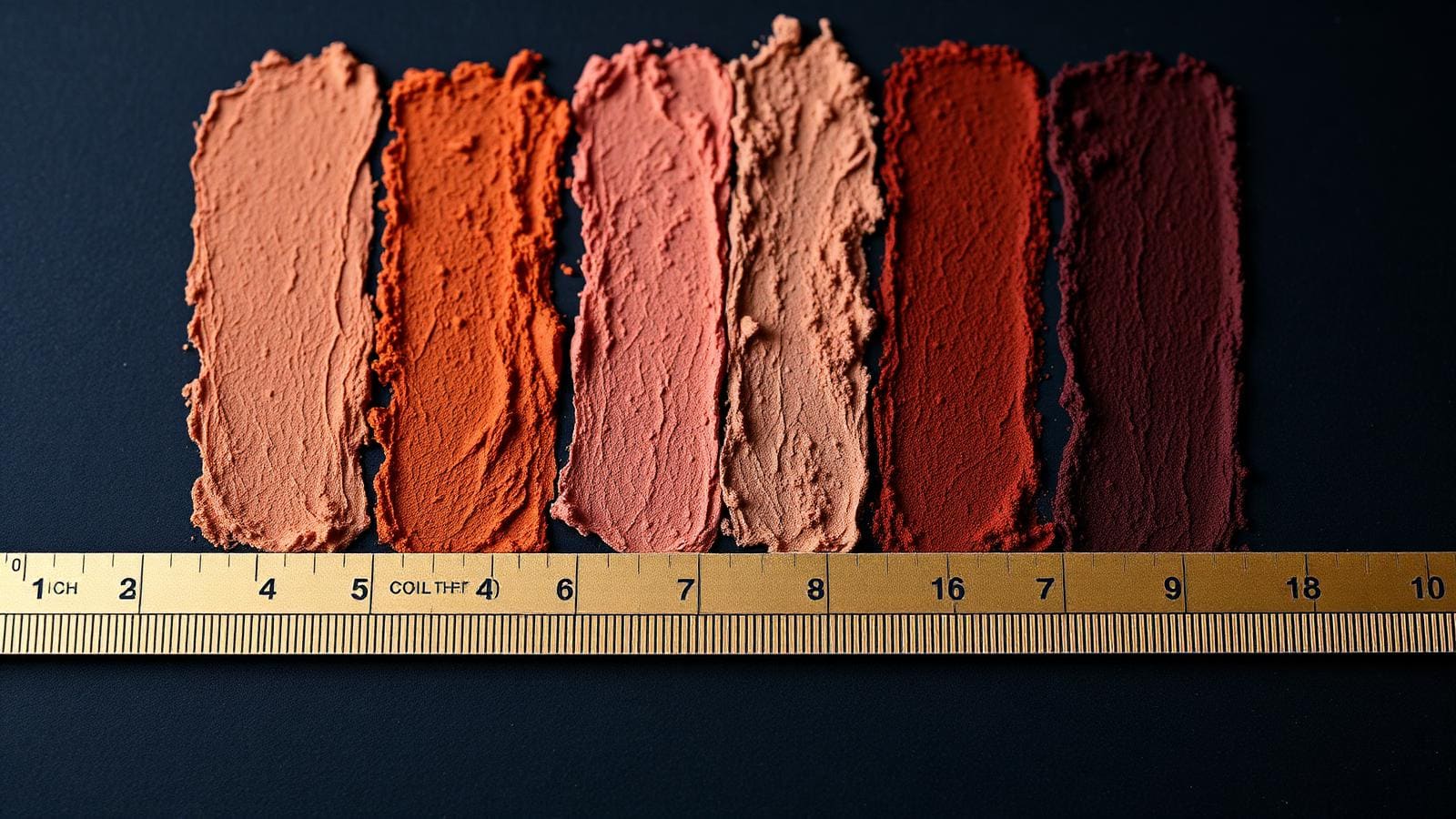
The single most common client complaint — "my brows healed orange" or "my lips healed purple" — is a healed-color miss, not a fresh-color miss. The pigment that goes in looks great; the pigment that heals doesn't. This is why you match to healed color, not to a swatch card.
| Skin | Fresh appearance | Healed shift | Pigment strategy |
|---|---|---|---|
| I (very fair) | Very saturated | Pulls ashy/cool | Warm the mix, add a drop of Medium Brown |
| II (fair) | Saturated | Slight cool shift | Blonde or Light Brown, no modifier |
| III (light) | Balanced | Neutral | Straight Light or Medium Brown |
| IV (olive/medium) | Slightly muted | Pulls warm/orange | Add Olive Corrector 20–30% |
... continues (see below)
| Skin | Fresh appearance | Healed shift | Pigment strategy |
|---|---|---|---|
| V (tan/brown) | Muted | Strong warm/red pull | Dark Brown + Olive 30%; avoid pure black in brows |
| VI (deep) | Very muted | Blue/grey pull if wrong base | Dark Brown or Black + Orange Corrector 20% |
Rule of thumb: the deeper the skin, the more the healed color moves warm — because melanin filters cool wavelengths first. Correct proactively with olive on Fitz IV–V, orange on Fitz VI.
Brow vs lip vs SMP — three different undertone rules
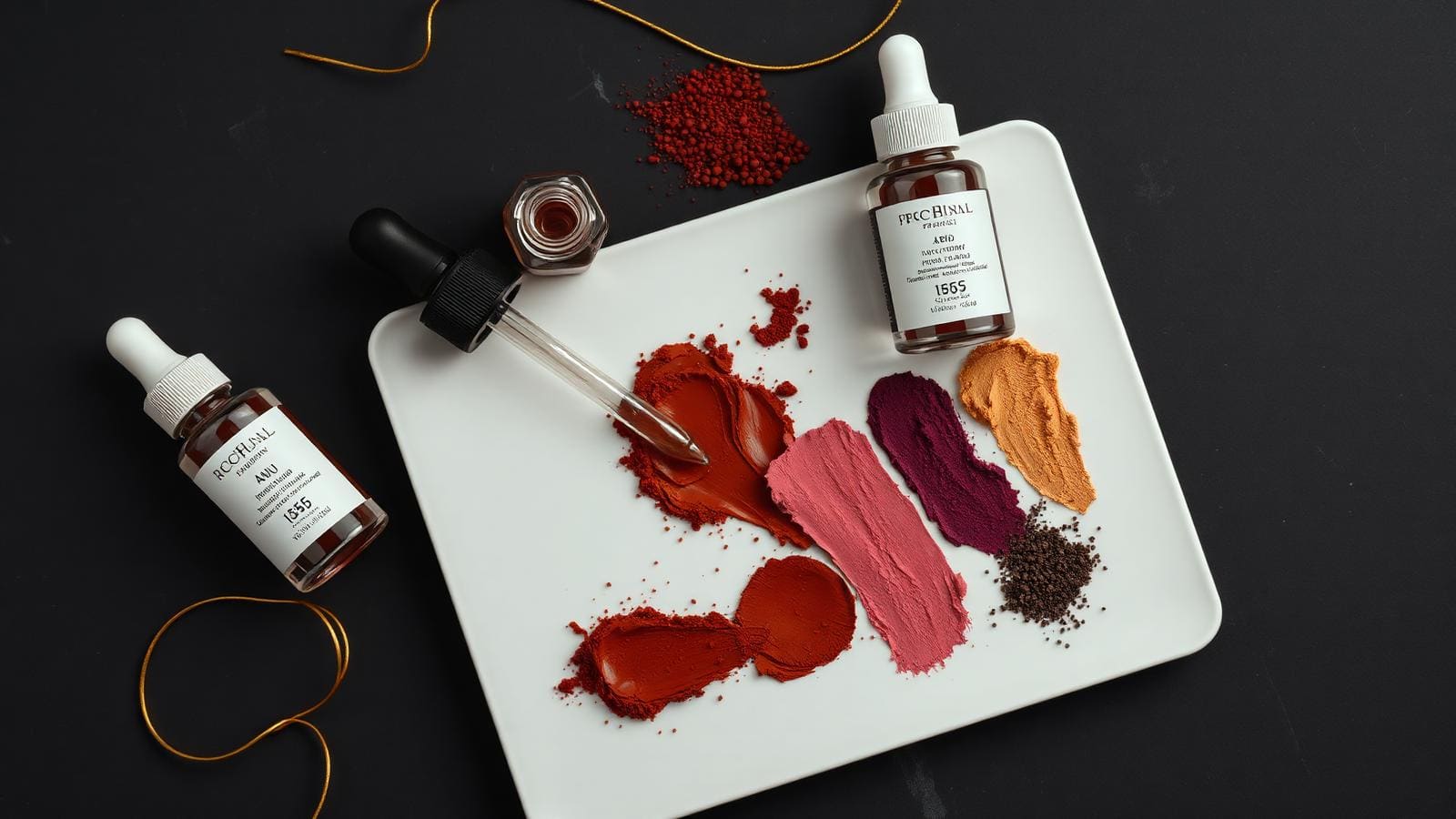
Brow pigments — the enemy is warmth. Iron-oxide-heavy pigments oxidise in the dermis and heal orange. FNS brow pigments carry an olive-to-neutral bias built in, so you don't need to correct on Fitzpatrick I–III.
Lip blush pigments — the enemy is a pink-to-purple shift on cool-toned or deeper-skin clients. FNS lip pigments are stabilised with a warm-neutral base; on Fitzpatrick IV–VI, run an olive or brown neutraliser pass first, then the blush shade in a second pass.
SMP pigments — the enemy is a blue-grey heal from iron-based blacks. FNS SMP pigments are carbon-based. They heal true charcoal, dilute cleanly for fading hairlines, and never turn blue at the 12-month mark.
Corrector & neutraliser sequencing
The two-pass system that saves most "difficult" cases:
Warm-pulling brows (Fitz IV–V)
- Pass 1: base shade + 25% Olive Corrector, low saturation
- Heal 6 weeks
- Pass 2: base shade at full saturation, no corrector
Healed brow lands neutral, not orange.
Cool-pulling lips (Fitz I–II, cool undertone)
- Pass 1: Rose Modifier alone, thin layer
- Same session: main blush shade over the warmed base
Healed lip lands a true berry-pink, not grey-purple.
Old blue microblading corrections
- Pass 1: Orange Corrector alone, saturate the blue strokes
- Heal 8 weeks
- Pass 2: fresh design in the current target shade
FNS pigment color vs Perma Blend & Tina Davies
| Attribute | FNS | Perma Blend | Tina Davies |
|---|---|---|---|
| Brow undertone bias | Olive-neutral (built in) | Warm | Neutral |
| Lip stability vs pink shift | High | Medium | Medium |
| SMP base | Carbon | Iron oxide | Hybrid |
| Glycerin free | Yes | No | No |
| Corrector range included | Yes (3 shades) | Sold separately | Sold separately |
| REACH compliant | Yes | Yes | Yes |
| MSDS per batch | Free | On request | On request |
Where FNS is different: undertone correction is built into the core shades so a new artist can pull the labelled color and get a neutral heal — no separate modifier line required for the first 80% of appointments.
How to test a pigment before you use it on a client
- Draw a 5 mm swatch on your inner wrist with a nano cartridge at working depth
- Photograph day 0, day 14, day 30 under the same light
- Compare day-30 to your target — if it drifts warm, add 20% olive; if it drifts cool, add 10% of a warmer base
Every FNS pigment ships with a matching swatch card and MSDS. You should never work on a client with a shade you have not personally tested to healed on skin (yours or a practice patch).
The one-page pigment cheat sheet
- Match healed color, not fresh color
- Deeper skin heals warmer — correct with olive proactively
- Iron-oxide blacks turn blue in SMP — use carbon-based only
- Cool-toned lips need a warming pass first
- Two thin passes always beat one heavy pass
Free download
Get the free PMU Aftercare Checklist
A printable 14-day protocol — sent to your inbox. No spam, unsubscribe anytime.
From FNS
Shop the FNS PMU Pigment Range
Five core shades + three correctors. Fade-true healed color, glycerin-free, REACH compliant. Ships with swatch card and MSDS.
DiscoverFAQ
Frequently asked
Medium to Dark Brown with a small addition of Olive Corrector on Fitzpatrick IV–V. The olive neutralises the warm/red pull typical of Asian skin so brows heal neutral rather than orange.
Cited summary
The short answer
Medium to Dark Brown with a small addition of Olive Corrector on Fitzpatrick IV–V. The olive neutralises the warm/red pull typical of Asian skin so brows heal neutral rather than orange.
Sources
- FINERSKIN Editorial (in-house PMU artists & chemists)
- FNS Product Specifications
- FNS Pigment Range & Chemistry
- Public specifications and pricing from named brands (2026)