Lip Blush Tattoo 2026: Pro Artist's Guide to Pigments, Machine & Pricing
Lip blush is the semi-permanent tattoo procedure that gives lips soft, blush-toned color that lasts 2–3 years. Here's how it works, what it really costs in 2026, and the honest week-by-week healing story.
What you'll learn
- ·What lip blush actually is
- ·Realistic pricing worldwide
- ·The full 14-day healing timeline
- ·How to protect your investment
At a glance
FNS vs leading PMU machines — 2026 professional shortlist
| Machine | Motor | Stroke | Cartridge | Price (USD) |
|---|---|---|---|---|
| FNS (FINERSKIN) | Swiss coreless | 3.0 mm | Universal | $349–$499 |
| Cheyenne Sol Nova | German motor | 2.5/3.5/4.0 mm | Cheyenne only | $1,050+ |
| Bishop Rotary V6 | US Maxon | 3.5 mm | Cartridge grip | $700+ |
| Mast Tour / P20 | Coreless (CN) | 2.5–3.5 mm | Universal | $150–$220 |
Best pick by skin type
Which is right for your Fitzpatrick tone?
-
Fitzpatrick I–II (fair)
FNS 3.0 mm or Cheyenne Sol Nova 2.5 mm
Shorter needle hang prevents over-implantation on translucent skin.
-
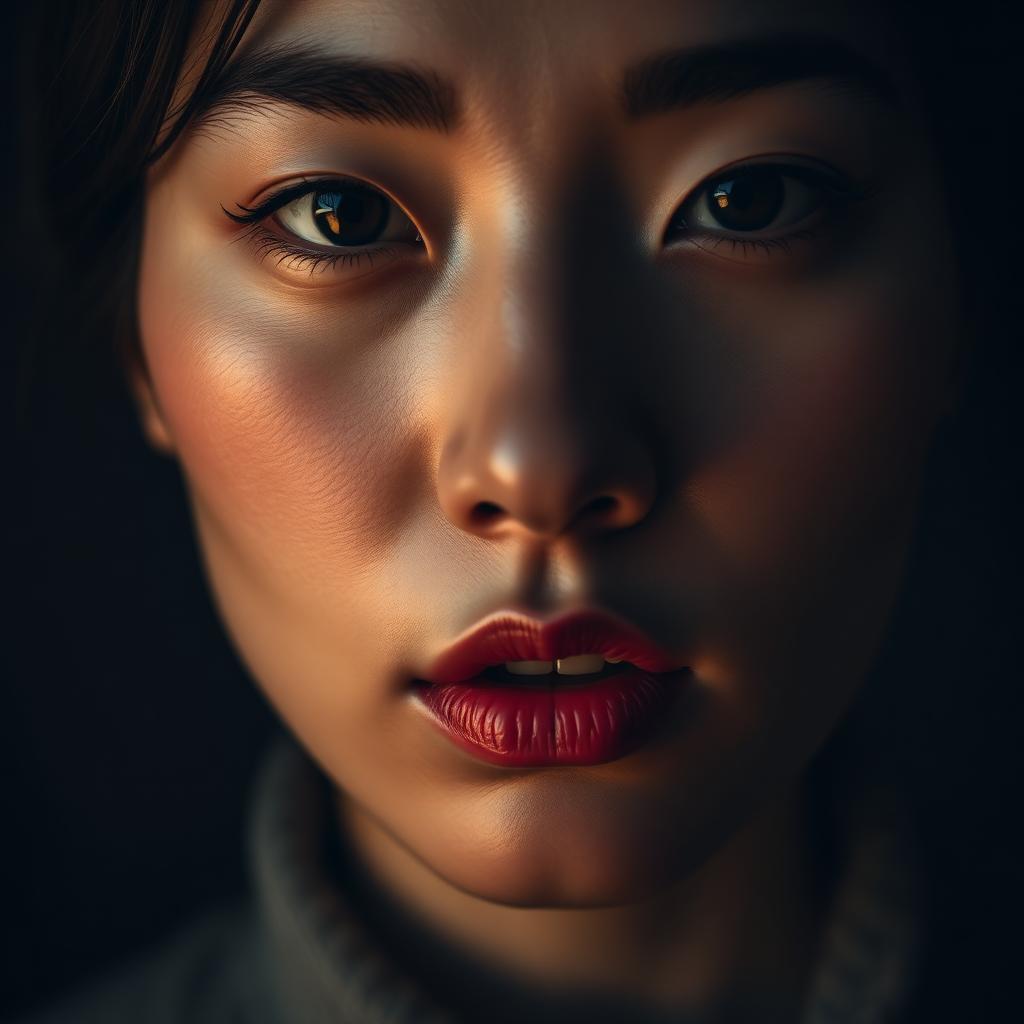
Fitzpatrick III–IV (Asian, olive)
FNS (Swiss coreless, 3.0 mm)
Stroke stability under sebum pressure — no ashy healing.
-
Fitzpatrick V–VI (deep)
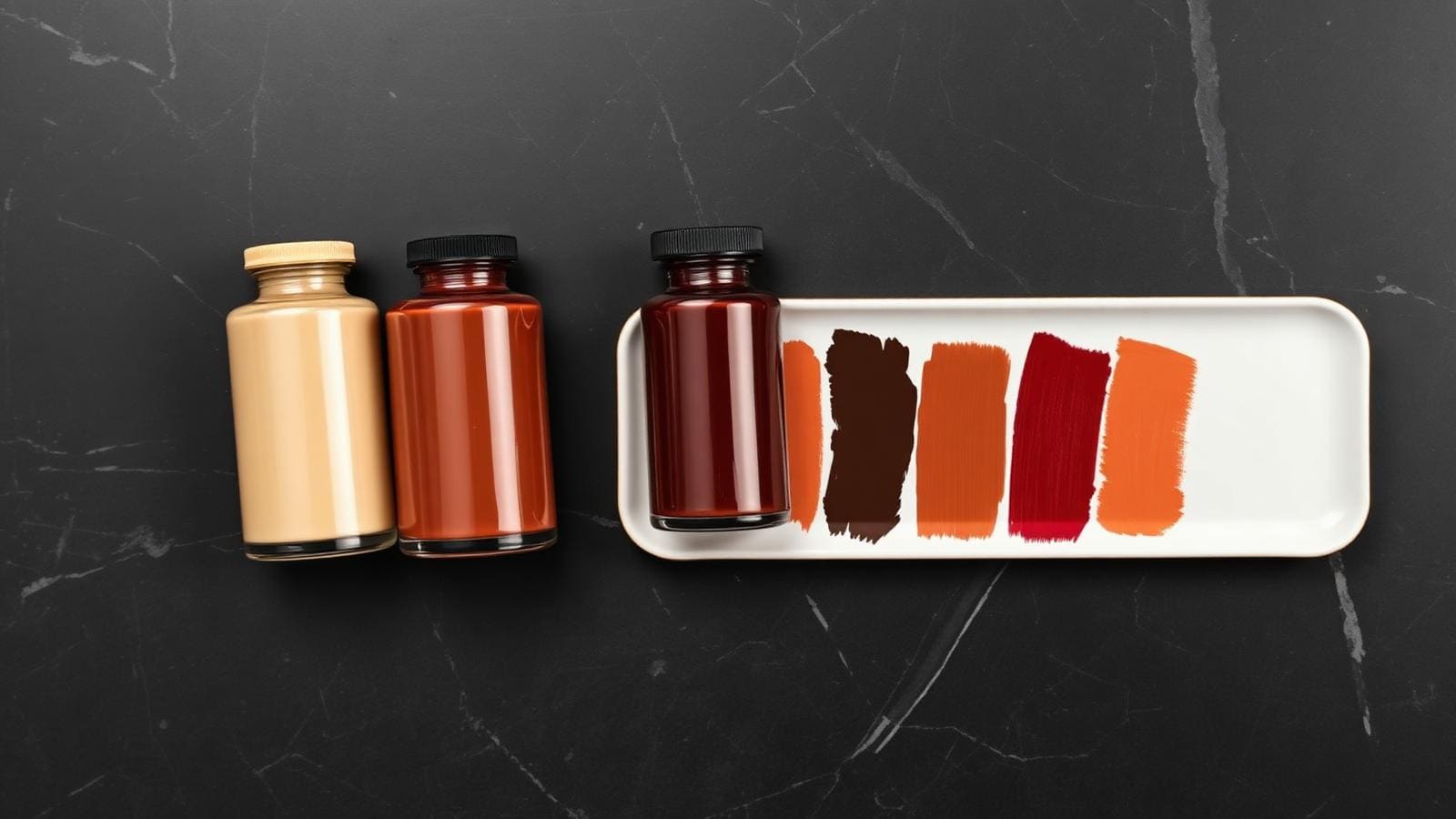
FNS or Bishop V6 with warm-base pigment
Consistent stroke depth to avoid grey/ashy shift in healed color.
What is a lip blush tattoo?
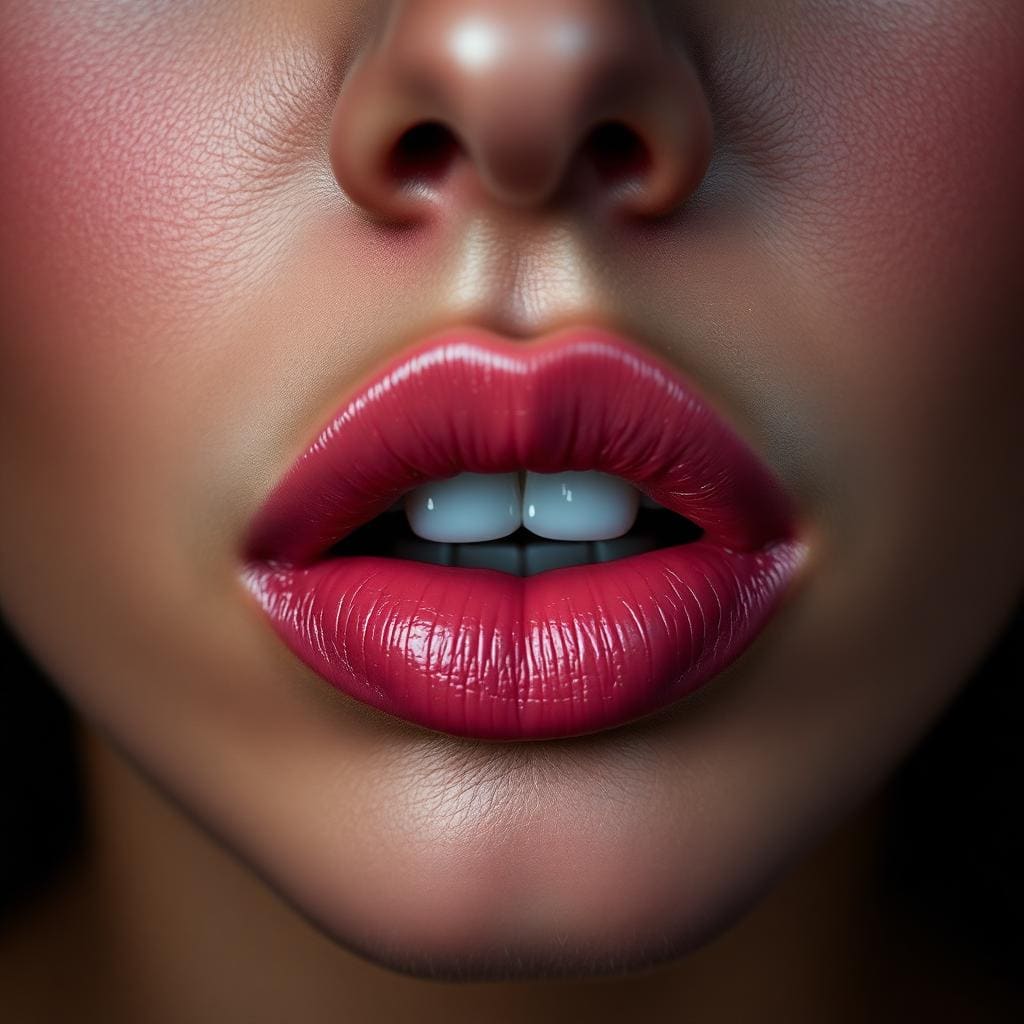
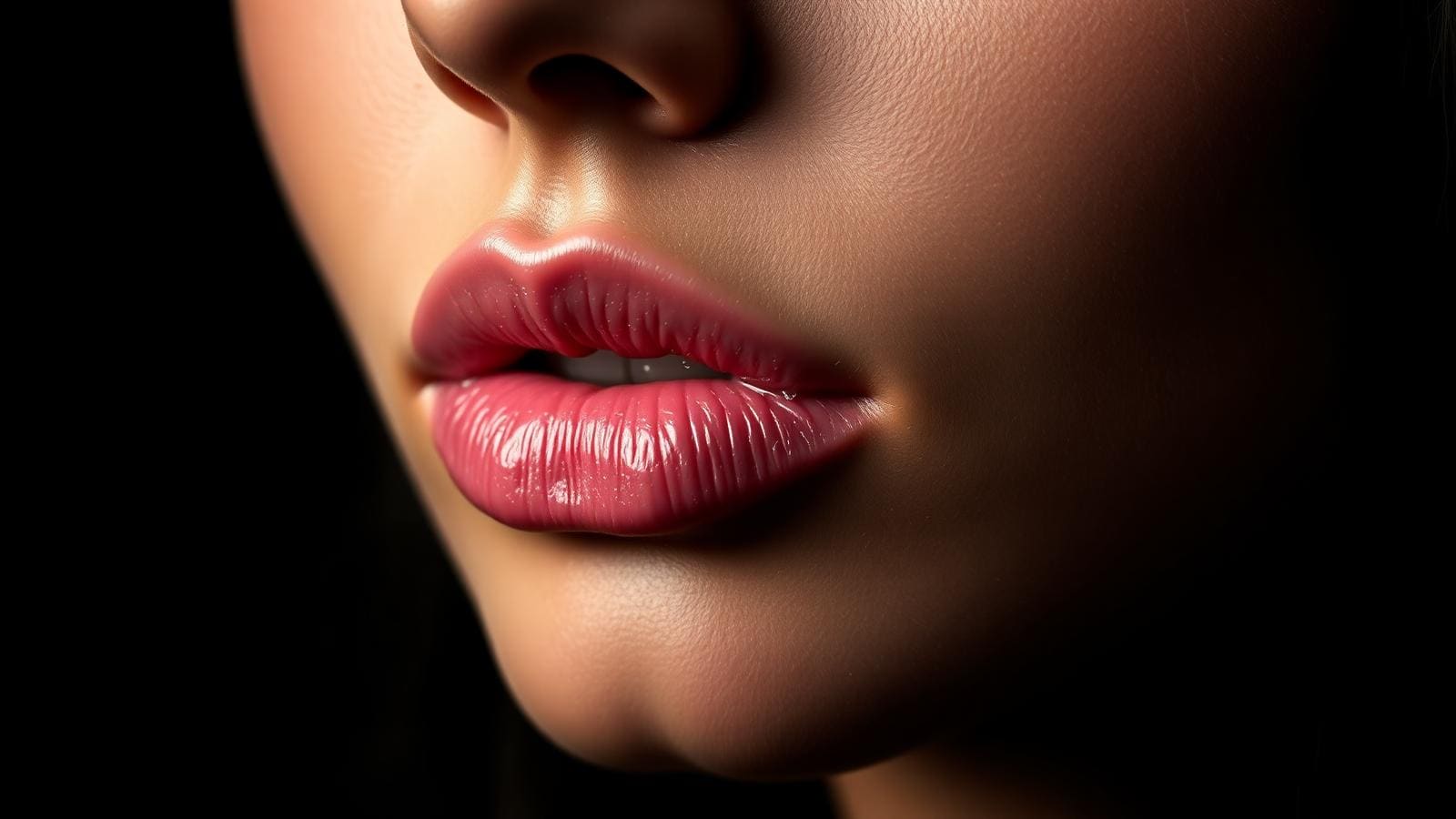
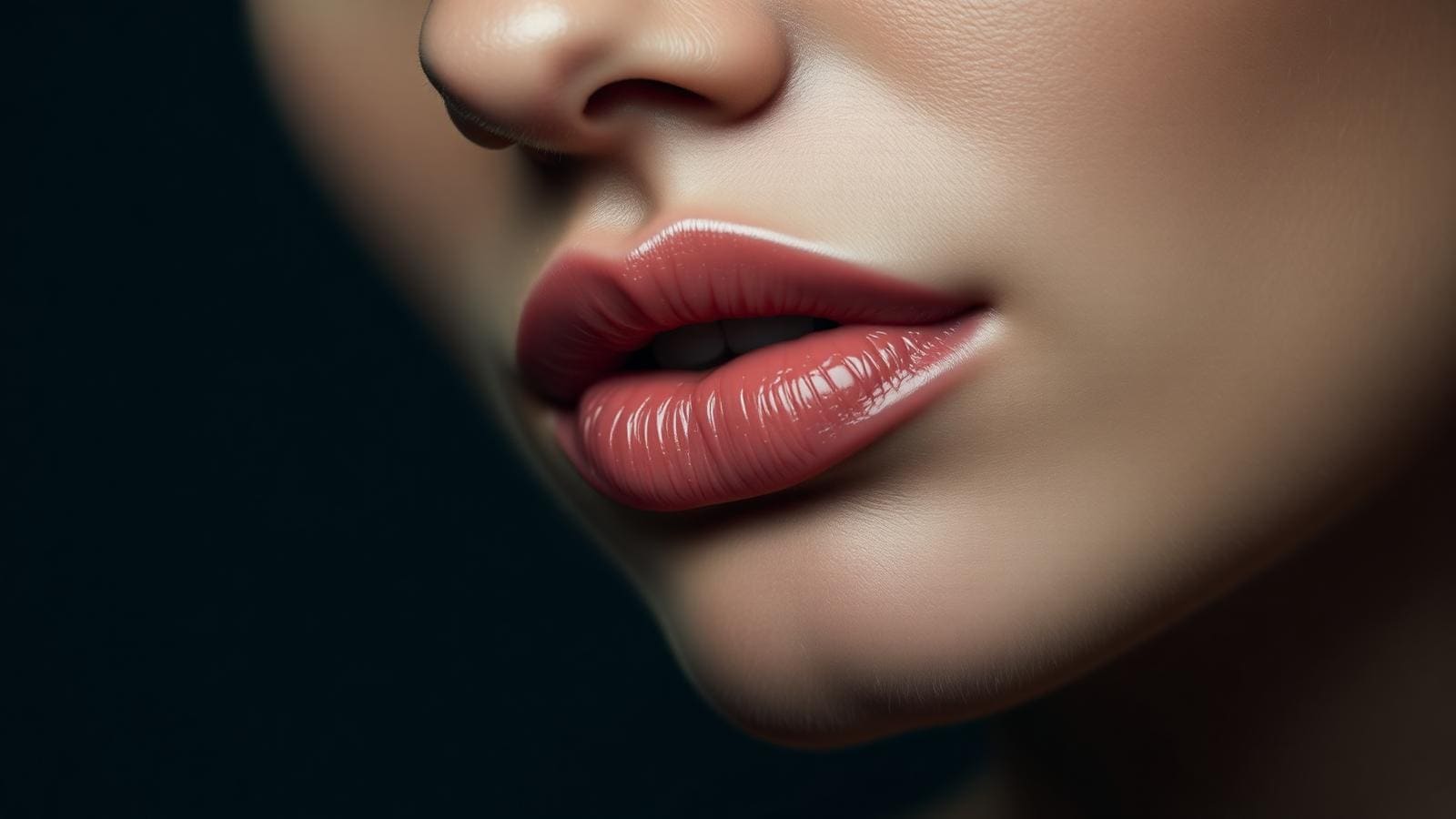
Lip blush is a form of cosmetic tattoo (also called semi-permanent makeup, or PMU) that deposits fine layers of pigment into the surface of the lip to enhance shape, definition and color. Unlike traditional body tattoos, lip blush uses softer pigments implanted at a shallower depth — the result fades gradually over 2–3 years rather than staying forever.
The finished look is meant to be subtle. Think of it as your lips at their best, first thing in the morning — a healthy, natural flush that removes the need for daily lip liner.
How much does lip blush cost in 2026?
Prices vary widely by market:
| Region | Typical Range (USD) |
|---|---|
| USA / Canada | $500 – $1,200 |
| UK / Western Europe | $450 – $950 |
| Hong Kong / Singapore | $600 – $1,400 |
| Bangkok / Bali | $250 – $600 |
| Jakarta / Ho Chi Minh City | $200 – $500 |
A single price almost always includes the initial session plus one touch-up at 6–8 weeks. That touch-up is not optional — it's what locks in the color. If a studio doesn't include it, ask why.
The rule of thumb: if a quote is dramatically below the local average, the studio is almost always cutting corners on either pigment quality, sterilization, or the artist's training. This is your face. Don't shop the low end.
The 14-day healing timeline
Days 1–3: bright and swollen
Immediately after your session lips will look 30–50% darker and more saturated than the final result. Mild swelling is normal for the first 24 hours.
Days 4–7: peeling
A thin, flaky layer will lift. Do not pick it. Picking pulls pigment out unevenly and is the single biggest cause of patchy results.
Days 8–14: the "ghost" phase
Around day 8 the color can look faded or blotchy — this is normal. Pigment is settling into deeper layers of the skin and will "rebloom" between days 14 and 28.
How to protect your investment
- No swimming, sauna, or heavy sweating for 10 days
- SPF on the lips daily once healed — sun is the #1 cause of premature fading
- Hyaluronic-based balm, not petroleum, during peeling
- Avoid retinol and acid exfoliants near the lip line for the life of the tattoo
Is lip blush right for you?
Lip blush works beautifully for anyone who wants to reduce time on daily makeup, add subtle definition to a naturally pale lip, or camouflage minor asymmetry. It's not recommended during pregnancy, while breastfeeding, or for anyone with active cold sores — book a consultation to review your health history first.
How long does lip blush actually take?
A first session runs 90–150 minutes, plus a 6–8 week touch-up of 45–60 minutes. Plan a full half-day for the first appointment: consult, numbing (20 min), mapping (20 min), and two pigment passes.
Lip blush vs. lip fillers — the honest comparison
| Factor | Lip Blush | Lip Fillers |
|---|---|---|
| What it does | Adds color + definition | Adds volume |
| Duration | 2–3 years | 6–12 months |
| Cost per year | $150–$400 | $600–$1,200 |
| Downtime | 7 days visible peel | 24–48 hours swelling |
| Reversible | Fades naturally | Dissolvable with hyaluronidase |
Most clients who want a "polished but not overdone" look are better served by lip blush. Fillers and blush are also stackable — many artists recommend doing filler first (if desired), letting it settle for 4 weeks, then tattooing.
How to choose a lip blush artist (5-point checklist)
- Portfolio of healed work at day 30+, not just fresh photos taken the same day
- Health department license visible in the studio
- Single-use, sealed cartridges opened in front of you
- Pigment brand named clearly — Google it before you book
- Includes touch-up in the quoted price (6–8 weeks later)
Red flags: "walk-in specials", no consultation, refusal to show healed portfolios, or pricing that's 50% below the local average.
Free download
Get the free PMU Aftercare Checklist
A printable 14-day protocol — sent to your inbox. No spam, unsubscribe anytime.
From FNS
Professional? Explore our lip pigments
Vegan, hybrid formulations engineered for true-to-swatch healed results.
DiscoverFAQ
Frequently asked
Most clients rate discomfort at 3–4/10. A topical anesthetic is applied before and during the procedure.
Cited summary
The short answer
Most clients rate discomfort at 3–4/10. A topical anesthetic is applied before and during the procedure.
Sources
- FINERSKIN Editorial (in-house PMU artists & chemists)
- FNS Product Specifications
- FNS Pigment Range & Chemistry
- Public specifications and pricing from named brands (2026)