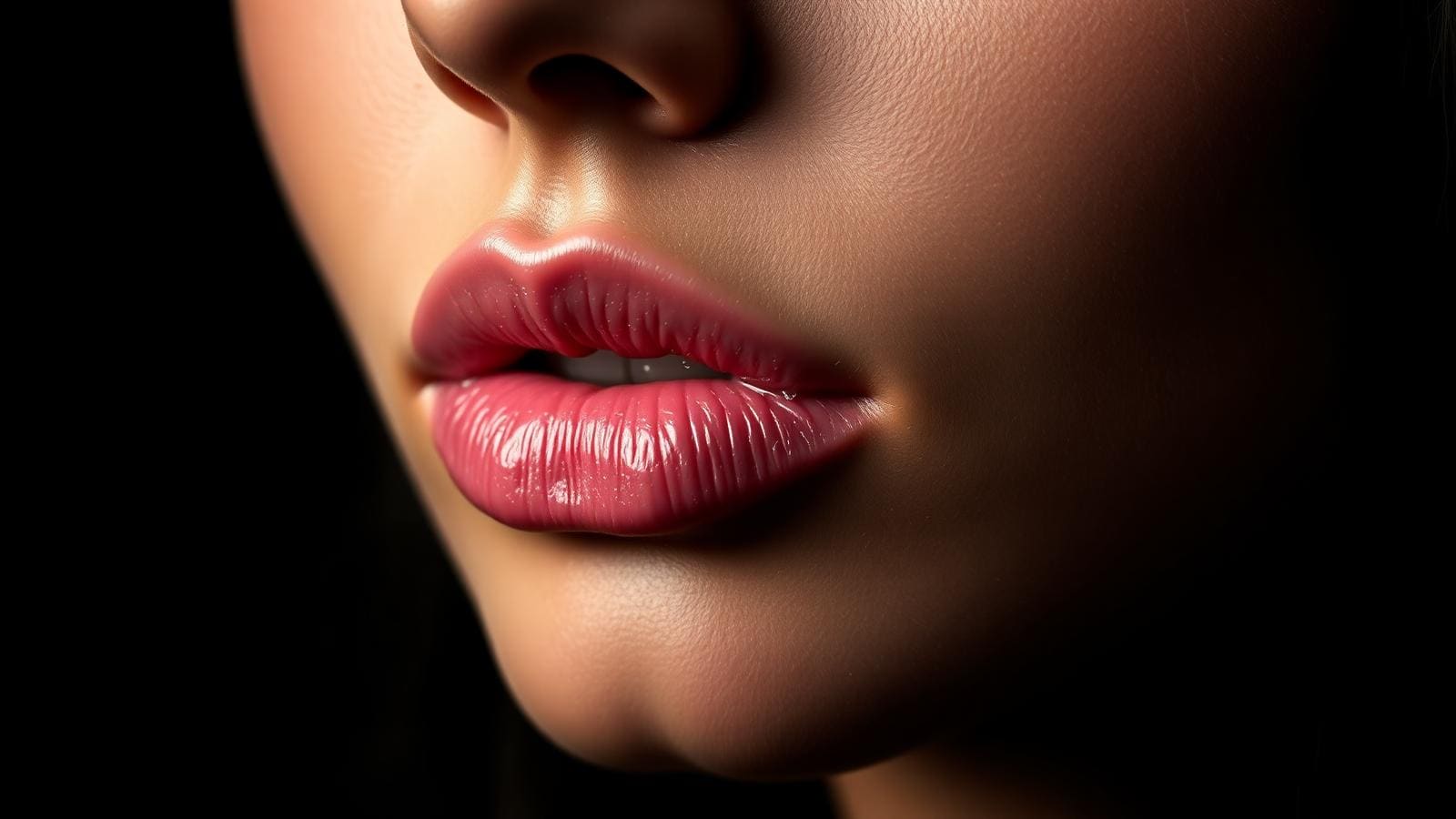
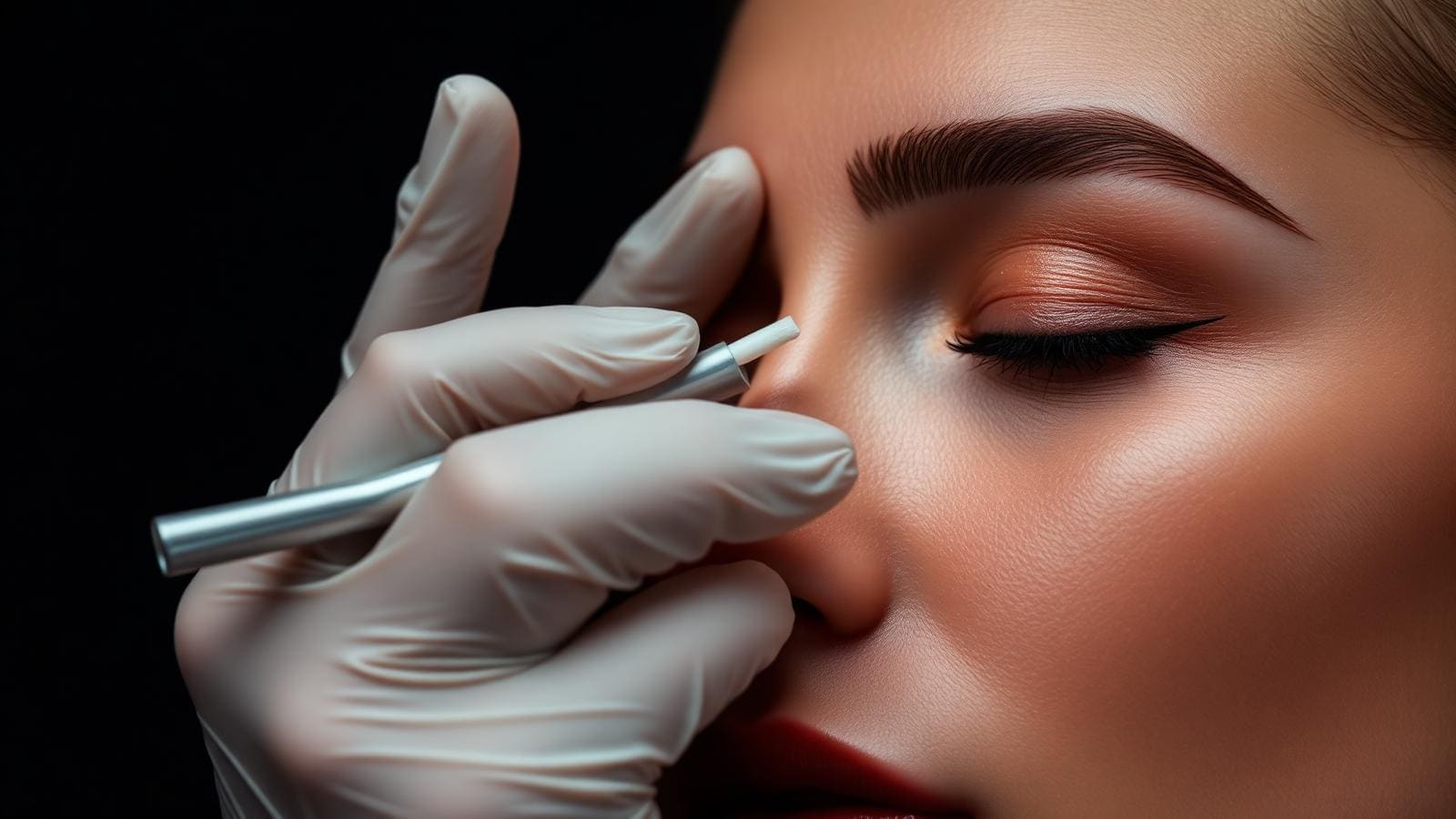
Lip Blush Healing Stages Day by Day (With Photo Guide 2026)
The lips you leave the studio with are not the lips you will have in a month. Between then and now sits a 28-day process that most clients aren't warned about — the dark day, the peel, the ghost, and the rebloom.
What you'll learn
- ·What to expect on days 1, 3, 5, 7, 10, 14, 28
- ·The 'ghost phase' and why it terrifies people
- ·Products to use — and to avoid
- ·When to book your touch-up
At a glance
PMU technique comparison — retention, healing, and skin fit
| Technique | Best For | Retention | Healing | Asian Skin Fit |
|---|---|---|---|---|
| Microblading | Dry, thin skin | 12–18 mo | 10–14 days | Weak — blur on oily skin |
| Nano brows (machine) | All skin types | 2–3 yrs | 10–14 days | Excellent |
| Ombré / powder brows | Oily, mature skin | 2–4 yrs | 10–14 days | Excellent |
| Lip blush | Lip color loss | 2–3 yrs | 12–14 days | Excellent |
Best pick by skin type
Which is right for your Fitzpatrick tone?
-
Fitzpatrick I–II
Nano brows or lip blush with cool base
Translucent skin needs the lightest touch and cool undertones.
-
Fitzpatrick III–IV (Asian)
Nano brows or ombré powder, warm-base pigment
Machine-based techniques heal true; microblading blurs on oily Asian skin.
-
Fitzpatrick V–VI
Ombré powder with orange corrector layer
Powder shading + warm corrector prevents ashy grey heal.
Day 0 — appointment day
Your lips leave the studio 30–50% more saturated and darker than the final result. This is intentional. The artist over-deposits knowing that ~40% of the pigment will slough off during peeling. Mild swelling for 12–24 hours is normal.
What to do: blot with a clean tissue every 20 minutes for the first 2 hours to remove lymph fluid. Apply a rice-grain-sized amount of hyaluronic balm.
What not to do: eat spicy or acidic food; kiss; sleep face-down.
Day 1 — bright and tight
Colour still saturated. Lips feel tight, like a mild sunburn. Any residual swelling should be gone by evening.
Rule: rinse lips 3× per day with sterile saline or cooled boiled water, pat dry with a paper towel, re-apply balm.
Day 3 — the "dark day"
Around day 3 the surface of the lip oxidises and looks noticeably darker than day 0 — often almost brown or maroon. Clients panic here. Don't.
This is dead surface pigment about to lift. It has almost nothing to do with your final colour.
Day 5 — peeling starts
A thin, flaky layer begins to lift from the outer edges inward. It usually looks like the layer that peels after a mild sunburn.
The one rule that matters: do not pick. Picking pulls anchored pigment out unevenly and is the single biggest cause of patchy healed colour. If a flake is hanging, let a shower or your food remove it.
Day 7 — mostly peeled
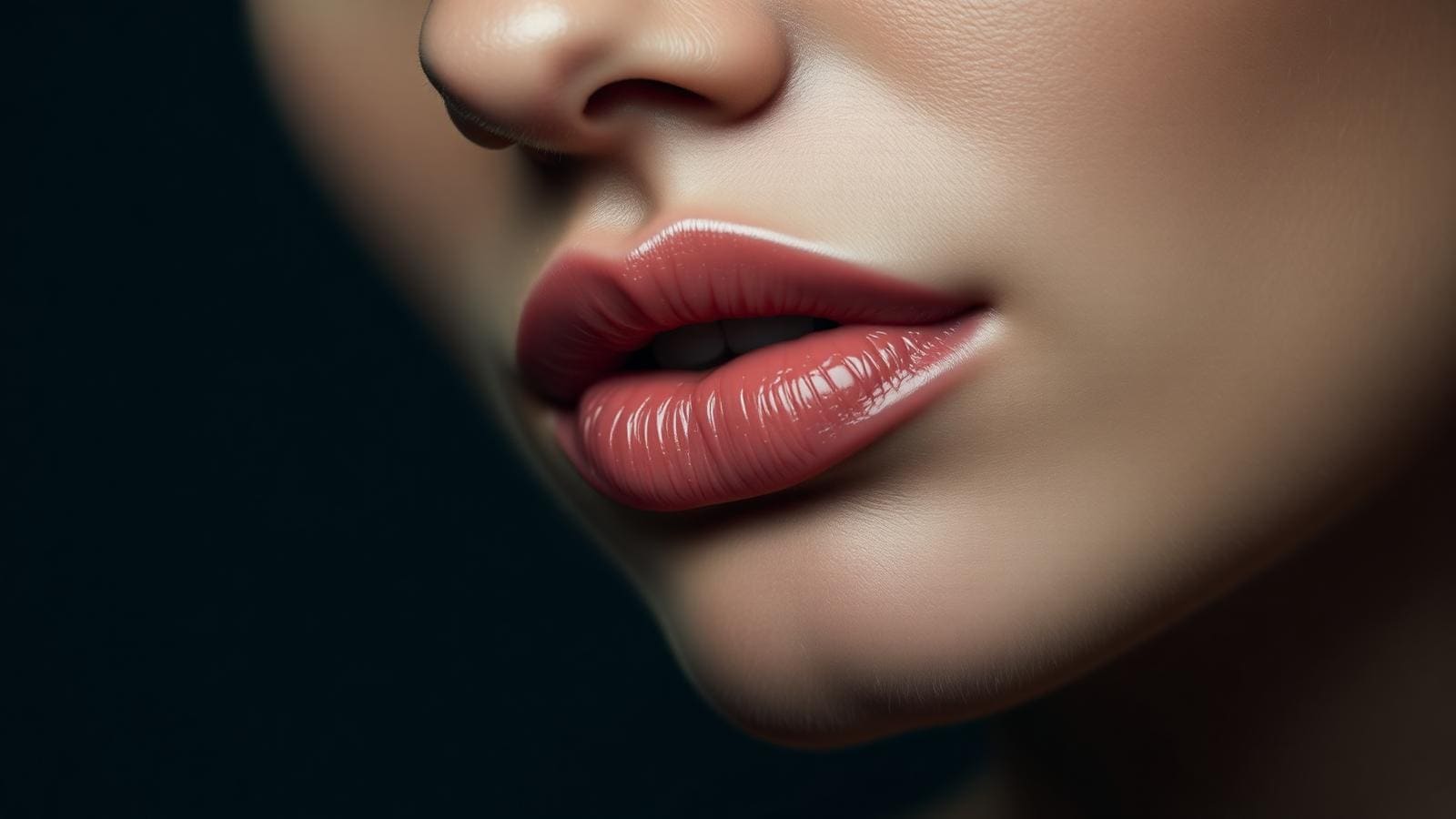
The dark surface layer is largely gone. Colour underneath looks pale, chalky, patchy — sometimes almost like nothing was done. This is normal and expected.
Day 10 — the "ghost phase"
Lips can look nearly bare. This is the most alarming stage and where most refund requests come from — always from clients who weren't warned.
What is happening: pigment has settled into the deeper dermal layer. The top layer of skin has fully regenerated on top of it, temporarily hiding the colour. This top layer will translucise over the next 10–14 days as it thins to its normal thickness.
Do not book a top-up now. Ever. You are not seeing your result yet.
Day 14 — colour begins to bloom
Colour re-emerges. Usually softer, more natural, more like a "healthy lip" than a "lipstick lip". At day 14 you are seeing roughly 70% of your final result.
Day 28 — the honest photo
This is the day the tattoo is fully healed. Whatever you see on day 28 is what you have for the next 18–36 months.
If the colour is even, book the free touch-up (usually included in the original price, 6–8 weeks post-session). If any area is lighter, the touch-up locks it in.
The products your artist actually wants you to use
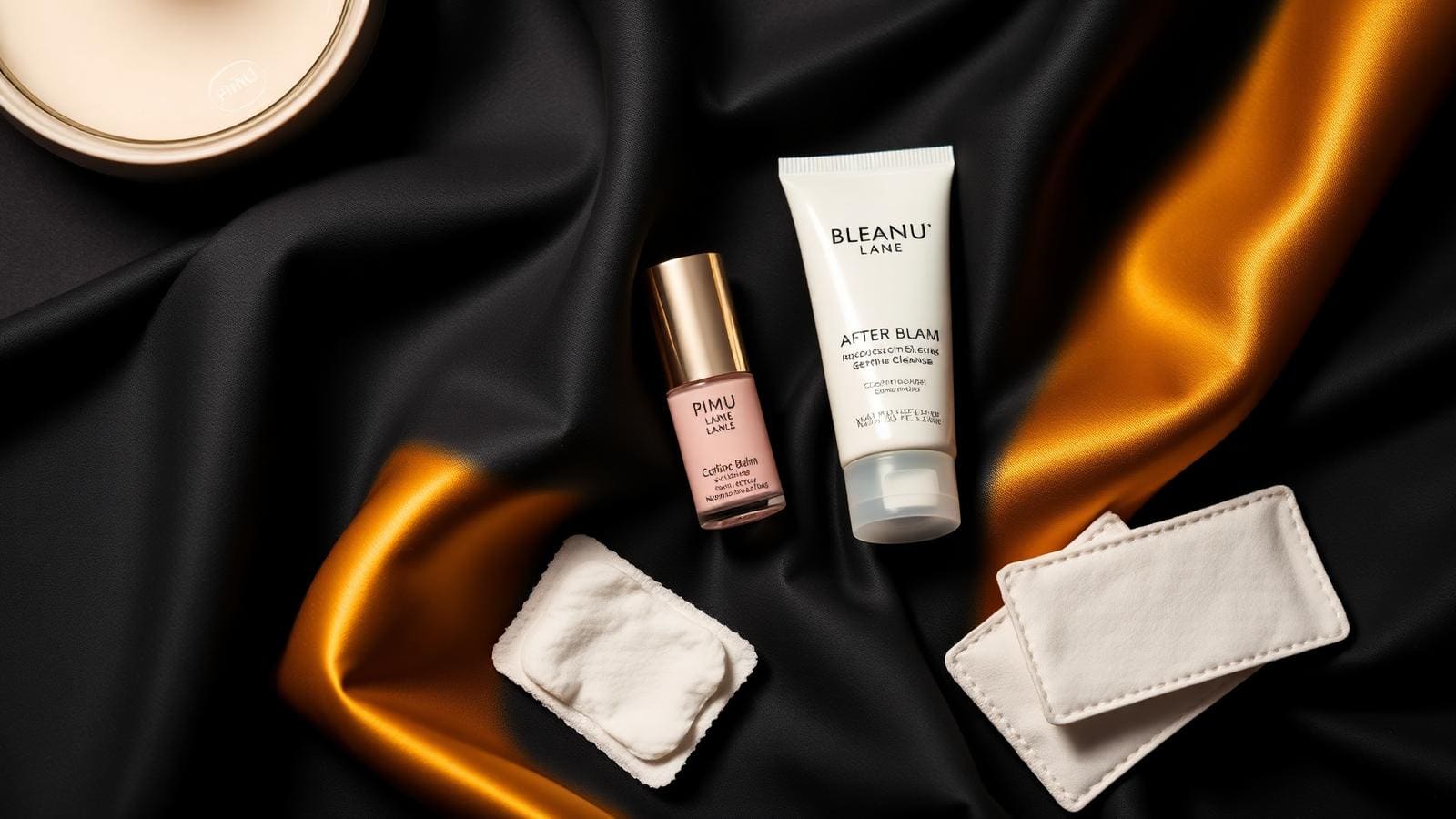
| Use | Product type | Why |
|---|---|---|
| Days 0–7 | Hyaluronic-based balm | Locks moisture without suffocating |
| Days 7–14 | Fragrance-free lip balm | Keeps peel supple, not sticky |
| Day 15+ | SPF 30+ lip balm | Sun is the #1 cause of premature fade |
| Never | Petroleum jelly | Blocks oxygen, pulls pigment during peel |
| Never | Retinol / AHA / BHA on lip line | Accelerates fade for the tattoo's life |
The 6 mistakes that cost people their result
- Picking the flakes. Patchy heal, no exceptions.
- Sleeping face-down on days 1–3. Pillow friction lifts fresh pigment.
- Gym, sauna, swimming for 10 days. Sweat carries lymph out through the wound; chlorine bleaches pigment.
- Eating spicy/acidic food in week 1. Chilli and citrus destabilise fresh pigment.
- Applying petroleum jelly. Suffocates the skin and famously pulls colour with it.
- Booking the top-up too early. Anything before week 5 is on tissue that hasn't finished healing yet.
When to worry (rare)
See your artist if you have any of the following past day 3:
- Spreading redness beyond the lip line
- Yellow/green discharge
- Fever
- Blistering (a possible cold-sore flare — antivirals help)
These are not normal healing. Everything above them in this article is.
Free download
Get the free PMU Aftercare Checklist
A printable 14-day protocol — sent to your inbox. No spam, unsubscribe anytime.
From FNS
Artists — engineer perfect healing with FNS lip pigments
Warm-neutral stabilised base means fewer purple heals on cool-toned clients. REACH compliant, glycerin-free, batch traceable.
DiscoverFAQ
Frequently asked
Surface oxidation. The top layer of pigment darkens as it prepares to slough off during peeling. It is not your final colour and has nothing to do with the pigment in the dermis.
Cited summary
The short answer
Surface oxidation. The top layer of pigment darkens as it prepares to slough off during peeling. It is not your final colour and has nothing to do with the pigment in the dermis.
Sources
- FINERSKIN Editorial (in-house PMU artists & chemists)
- FNS Product Specifications
- FNS Pigment Range & Chemistry
- Public specifications and pricing from named brands (2026)