PMU Aftercare Day-by-Day: 14-Day Healing Guide (2026)
Aftercare is 50% of your final result. Skip a step and pigment migrates, patches out, or drops out entirely. Here's the exact 14-day roadmap.
What you'll learn
- ·Daily protocol days 1–14
- ·What to avoid
- ·Warning signs to call your artist
- ·How to protect long-term color
At a glance
PMU technique comparison — retention, healing, and skin fit
| Technique | Best For | Retention | Healing | Asian Skin Fit |
|---|---|---|---|---|
| Microblading | Dry, thin skin | 12–18 mo | 10–14 days | Weak — blur on oily skin |
| Nano brows (machine) | All skin types | 2–3 yrs | 10–14 days | Excellent |
| Ombré / powder brows | Oily, mature skin | 2–4 yrs | 10–14 days | Excellent |
| Lip blush | Lip color loss | 2–3 yrs | 12–14 days | Excellent |
Best pick by skin type
Which is right for your Fitzpatrick tone?
-
Fitzpatrick I–II
Nano brows or lip blush with cool base
Translucent skin needs the lightest touch and cool undertones.
-
Fitzpatrick III–IV (Asian)
Nano brows or ombré powder, warm-base pigment
Machine-based techniques heal true; microblading blurs on oily Asian skin.
-
Fitzpatrick V–VI
Ombré powder with orange corrector layer
Powder shading + warm corrector prevents ashy grey heal.
Days 1–3: cleanse and protect
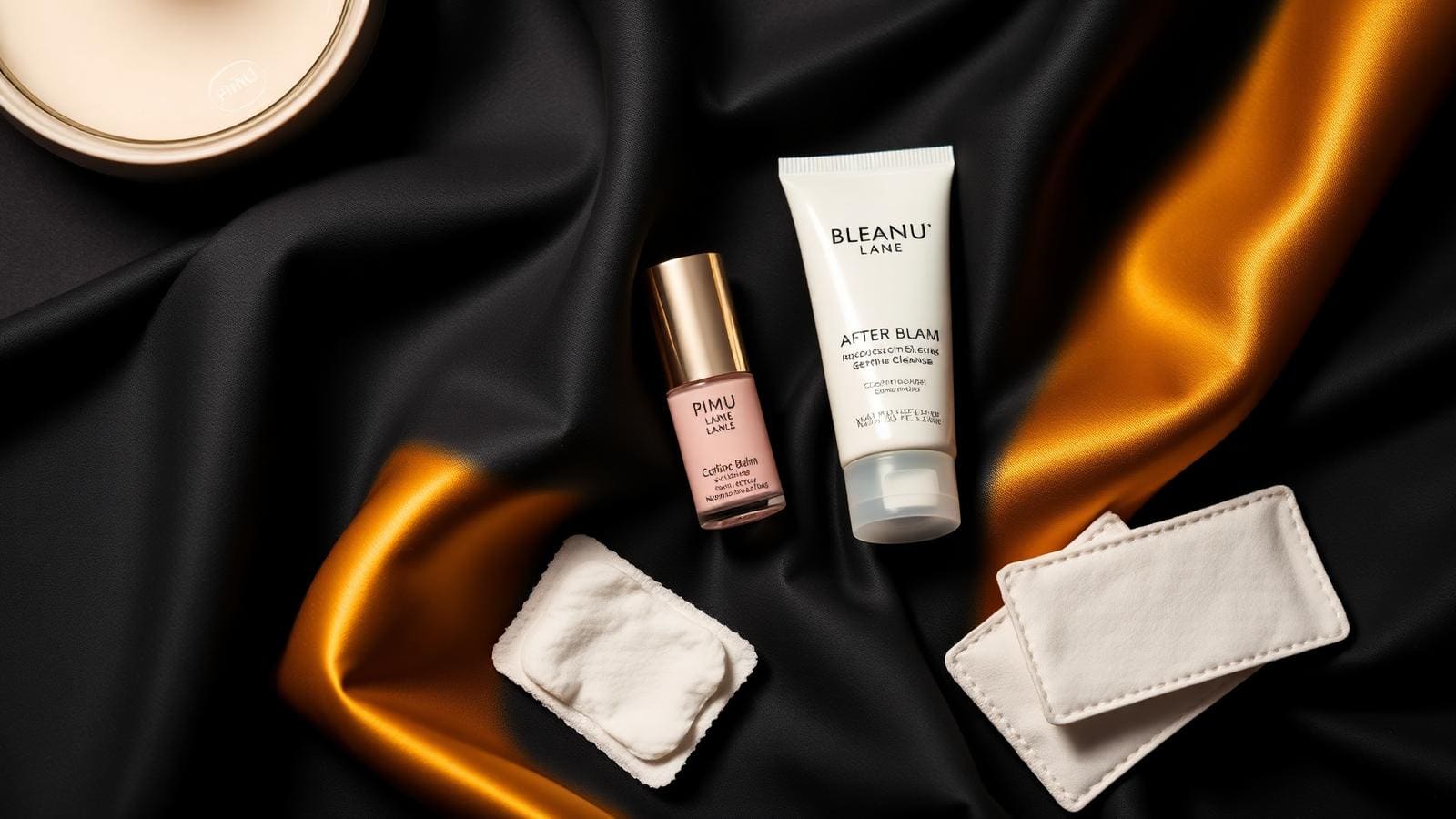
- Blot every hour with a damp cotton pad and sterile saline for the first 8 hours
- Apply a thin layer of hyaluronic-based aftercare balm 3× per day
- No makeup, no water, no gym. Sleep on your back if possible
Days 4–7: peel — do not pick
- A thin, flaky layer will lift. This is not scabbing — it's pigment-tinted lymph
- Continue balm 2× per day. Let peeling happen on its own
- Still no swimming, sauna, or hot yoga
The single biggest cause of patchy healing is picking during the peel phase. Leave it alone.
Days 8–14: the ghost phase
- Color often looks 50% too light or blotchy — this is normal
- Pigment is settling in deeper layers; it will "rebloom" between days 14 and 28
- You can resume light makeup after day 10 (avoid the tattooed area itself)
When to call your artist
- Fever, expanding redness, or pus (rare but possible — this is infection)
- Severe itching lasting more than 72 hours (possible allergic reaction)
- Complete loss of color in a large section after healing (needs touch-up assessment)
Long-term protection
- Daily SPF 30+ on the treated area — sun is the #1 cause of fading
- Keep retinol, glycolic acid, and vitamin C away from the tattooed area
- Schedule a color-boost touch-up every 12–24 months
Dry vs wet healing — which method wins?
Dry healing (no balm, just clean and blot) works best on oily skin — extra moisture on oily skin traps pigment against the surface and pulls it out during peeling.
Wet healing (thin hyaluronic balm 2–3× per day) works best on dry and mature skin — it prevents deep cracking during the peel phase.
Ask your artist which method they recommend for your skin type. If they don't have a strong opinion, that's a small red flag.
Free download
Get the free PMU Aftercare Checklist
A printable 14-day protocol — sent to your inbox. No spam, unsubscribe anytime.
FAQ
Frequently asked
Not for the first 3 nights — the pillow can rub pigment off. Sleep on your back propped with an extra pillow.
Cited summary
The short answer
Not for the first 3 nights — the pillow can rub pigment off. Sleep on your back propped with an extra pillow.
Sources
- FINERSKIN Editorial (in-house PMU artists & chemists)
- FNS Product Specifications
- FNS Pigment Range & Chemistry
- Public specifications and pricing from named brands (2026)